
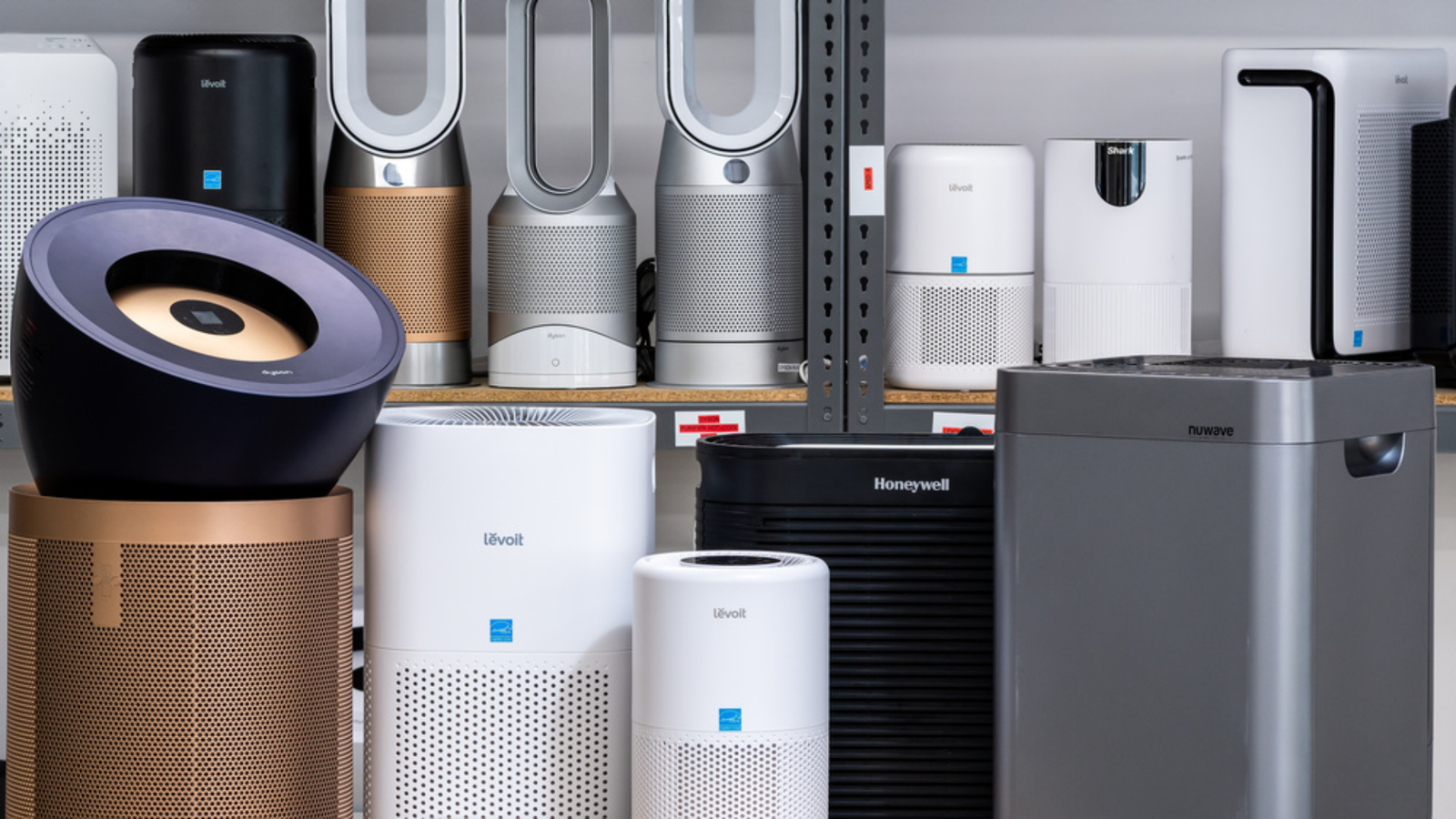
I have walked into too many homes that looked spotless and still smelled wrong within thirty seconds. The air told the truth. After fifteen years working with indoor environments, I can say this without flinching: most people underestimate how bad their air is, and they rely on the wrong tools. If you are searching for the best HEPA air purifiers, thinking about medical grade home air filters, or comparing smart air quality monitors, you are already ahead of the crowd. But you are also probably missing a few hard realities.
The Air You Think Is Clean Is Not
I have tested living rooms that looked like magazine spreads and still pulled particle counts that would fail a basic clinic standard. Cooking smoke, fabric off gassing, road dust that sneaks in through window seals, it all builds up. You cannot see most of it, which is exactly why people ignore it.
Here is what sticks with me. A client in Pune had recurring headaches every evening. No mold. No obvious source. We ran a simple particulate test at peak cooking time and the PM2.5 levels spiked like a bad industrial site. Same kitchen. Same routine. Just never measured.
Most homes operate on assumptions. Open a window, light a candle, maybe run a fan. None of that actually removes fine particles. It just moves them around.
Question: Main hidden pollutant?
Answer: Fine particles
Fine particles stay suspended for hours because they are tiny and light. Standard ventilation does not capture them, it just redistributes them. That is why headaches and irritation persist even in spaces that look clean.
What Makes Medical Grade Different
People throw the term around like it is a marketing badge. It is not. Medical grade filtration is about capture efficiency at very small particle sizes, sustained airflow under load, and sealed systems that do not leak.
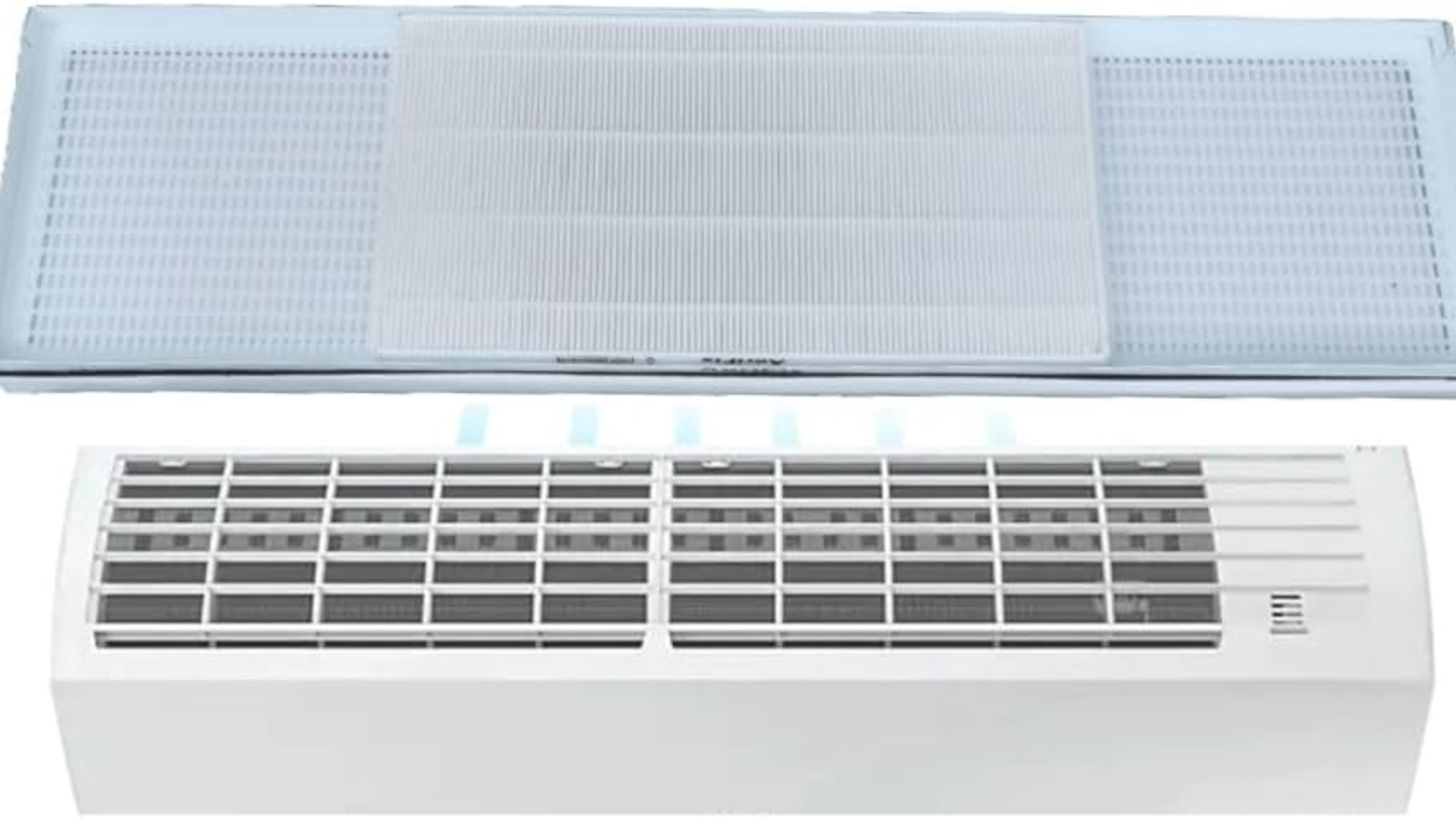
I have opened cheap units and found bypass gaps where air literally slips around the filter. That defeats the whole point. A proper medical grade home air filter setup uses dense HEPA media and tight housing so the air has no shortcut.
And yes, airflow matters more than most people think. A high quality filter that chokes airflow will underperform in a real room. You need both capture and movement working together.
Question: What defines medical grade?
Answer: High efficiency capture
High efficiency capture at sub micron levels ensures harmful particles are trapped rather than recirculated. Without proper sealing and airflow, even good filters fail to perform in real conditions.
Choosing the Best HEPA Air Purifiers Without Getting Burned
I have seen people spend serious money on units that look impressive and do very little. Flashy displays. Big claims. Weak delivery.
When I evaluate the best HEPA air purifiers, I ignore the marketing sheet first. I look at clean air delivery rate, actual room coverage under realistic conditions, and how the unit behaves after three months of use. Filters load up. Performance drops. Cheap units fall off fast.
Here is my strong opinion, and I know it goes against what many brands push. You do not need a dozen smart features in a purifier. Most of them are distractions. A solid, well built unit with consistent airflow beats a feature packed device that underdelivers. I genuinely cannot understand why people keep buying purifiers based on app design and LED screens. That does not clean your air. It never has.
The best setups I have seen are boring. Reliable motors. Dense filters. Predictable performance. No drama.
Question: Key purifier metric?
Answer: Clean air rate
Clean air delivery rate tells you how much filtered air the unit actually produces. Without sufficient output, even a high quality filter cannot clean a room effectively.
Why Smart Air Quality Monitors Change Behavior
Now here is where tech actually helps. Smart air quality monitors do something simple but powerful. They remove guesswork.
The first time a homeowner sees a spike after frying food or vacuuming, something clicks. It becomes real. I have watched people change habits within days just because they could see the numbers move.
Not all monitors are equal though. Cheap sensors drift. They look precise but are not accurate. You need a device with consistent calibration and a decent sampling rate.
I once ran two monitors side by side in a Mumbai apartment. One showed stable readings. The other caught rapid spikes during traffic peaks. Guess which one matched our lab equipment. The more responsive unit every time.
Question: Monitor main benefit?
Answer: Real time feedback
Real time feedback shows immediate changes in air quality, which drives better decisions. When people see cause and effect, they adjust behavior faster and more consistently.
My Biggest Failure With Home Air Filtration
This one still annoys me. Early in my career, I installed a high end purifier system for a client with severe allergies. I focused on the unit. Great filter. Strong airflow. Looked perfect on paper.
Within weeks, symptoms barely improved. The client was frustrated. I was confused. We rechecked the system and everything seemed fine.
Then I made the mistake visible. I ignored the room itself.
The space had multiple leakage points. Window gaps. Poor door seals. Air from outside kept reintroducing pollutants faster than the purifier could remove them.
Here is how we fixed it step by step.
- We sealed the obvious gaps around windows and doors.
- We added simple draft blockers at floor level.
- We repositioned the purifier to improve circulation patterns.
- We retested and adjusted airflow direction.
Within ten days, symptoms dropped noticeably. Same purifier. Different result.
That experience changed how I work. A purifier is part of a system, not the whole system.
Question: Initial mistake cause?
Answer: Air leakage
Air leakage allows unfiltered air to continuously enter the space, overwhelming the purifier. Without controlling the environment, even the best equipment struggles to keep up.
Placement and Usage Mistakes I See Every Week
People love corners. They tuck purifiers away like furniture. It kills performance.
Air needs to move freely through the unit. If you block intake or output, you reduce efficiency instantly. I have seen units placed behind sofas, under tables, even inside cabinets. It makes no sense.
Another common issue is intermittent use. Turning the purifier on only when you feel discomfort is reactive and too late. Fine particles build gradually. Consistent operation keeps levels low.
Then there is filter neglect. A clogged filter does not just reduce performance, it can start releasing trapped particles back into the air. I have opened units that were basically recycling dust.
Question: Worst placement choice?
Answer: Tight corners
Tight corners restrict airflow, reducing the volume of air that reaches the filter. Poor circulation leads to uneven cleaning and lower overall effectiveness.
Master Your Knowledge Quiz
- What is the main hidden pollutant in homes?
A. Large dust clumps
B. Fine particles
C. Visible dirt
D. Cooking oil - What defines medical grade filtration?
A. Low cost build
B. High efficiency capture
C. Bright display lights
D. Compact size - What is the key metric for purifier performance?
A. Noise level rating
B. Filter color change
C. Clean air rate
D. Device weight - What is the main benefit of air quality monitors?
A. Decorative design
B. Real time feedback
C. Low power use
D. Silent operation - What caused the failure in the case study?
A. Wrong brand choice
B. Air leakage
C. High humidity
D. Old wiring - What is the worst placement for a purifier?
A. Open center
B. Near window
C. Tight corners
D. Elevated shelf