
I have watched the Ayurvedic supplement space explode over the last decade, and most of what is being sold today would not pass basic scrutiny. If you are trying to find a premium ashwagandha extract, searching for pure shilajit resin online, or investing in organic ayurvedic supplements, you are stepping into a market filled with noise, shortcuts, and clever packaging.
I have worked with raw material suppliers, tested batches myself, and rejected more products than I have ever recommended. The gap between what is advertised and what actually works is wider than most people realize.
Why Most Ayurvedic Supplements Are Not What They Claim
Let me be blunt. A large portion of what is labeled as Ayurvedic today is diluted, misprocessed, or outright fake. I have seen powdered fillers passed off as extracts and resins that had never seen a mountain.
The demand is high. That attracts shortcuts.
Ashwagandha gets bulked up with starch. Shilajit gets mixed with cheap binders to mimic texture. Labels look impressive, but the contents tell a different story. I have opened capsules that smelled flat and lifeless when they should have had a strong earthy profile.
People assume traditional equals pure. That assumption gets exploited constantly.
Question: Why supplements fail
Answer: Adulteration issues
Adulteration reduces potency and authenticity. When active compounds are diluted or replaced, the supplement loses its intended effect.
What Real Shilajit Resin Looks and Feels Like
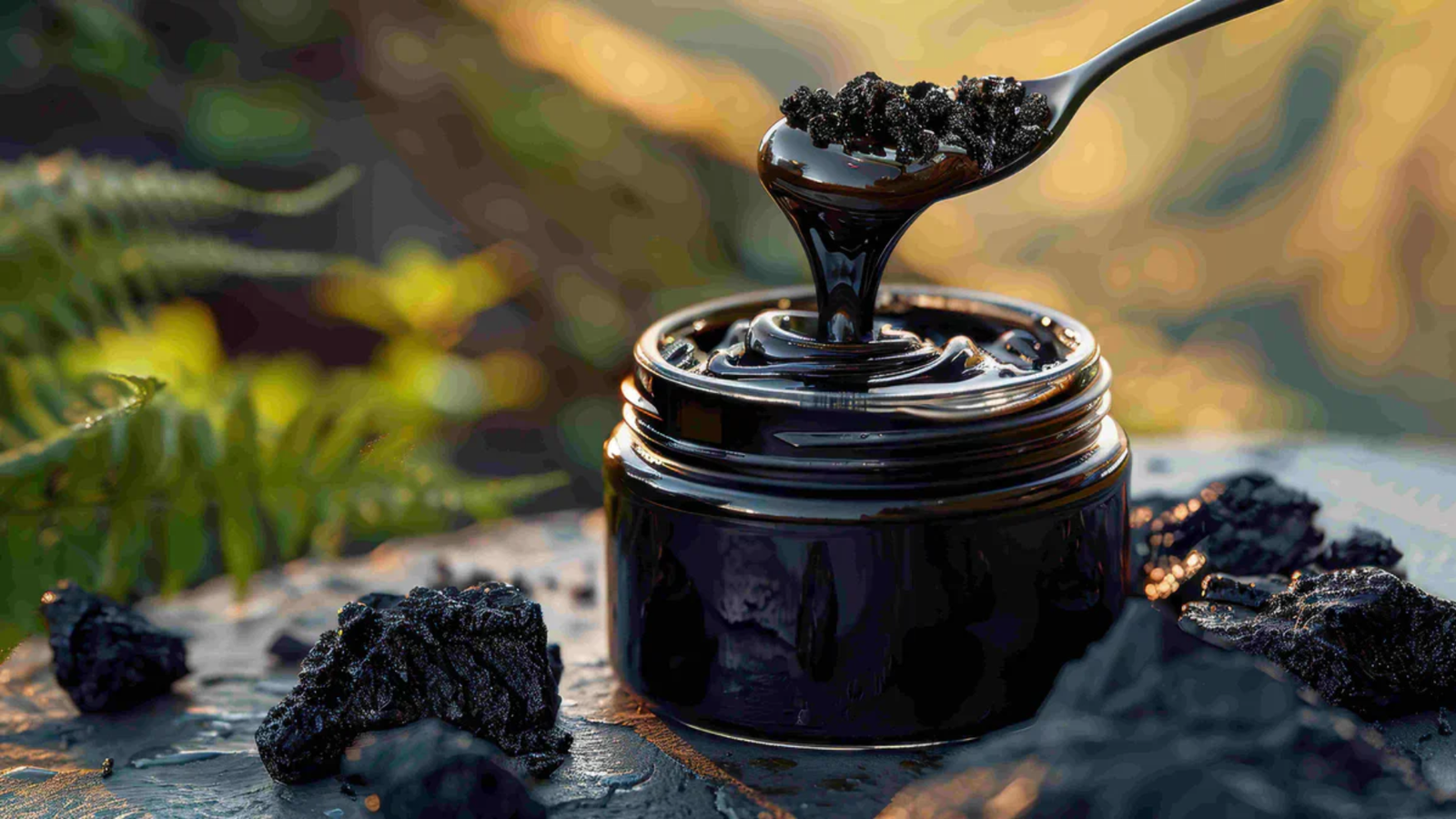
Authentic shilajit is not a powder. It is a resin. Thick. Sticky. Slightly bitter with a mineral rich aftertaste that lingers.
I have handled raw shilajit sourced directly from high altitude regions, and the difference is obvious once you know what to look for. It softens with warmth. It dissolves slowly in water. It leaves a trace of sediment that reflects its natural composition.
When you buy pure shilajit resin online, you should question anything that looks too clean or too uniform. Nature is not that neat. Real resin varies slightly in texture and color.
There is also the issue of heavy metal contamination. Authentic sourcing must be paired with proper purification. Without that, you are trading one problem for another.
Question: True shilajit form
Answer: Resin form
Shilajit in resin form retains its natural composition. Processing it into powder often involves dilution or excessive refinement that reduces effectiveness.
Ashwagandha Extract Quality Comes Down to Standardization
Ashwagandha is one of the most abused herbs in the market right now. Everyone sells it. Few do it right.
A premium ashwagandha extract should be standardized for withanolide content. That is the active compound responsible for most of its effects. Without standardization, you are guessing at potency.
I have tested extracts that claimed high strength but delivered inconsistent results across batches. That inconsistency usually points to poor sourcing or weak extraction methods.
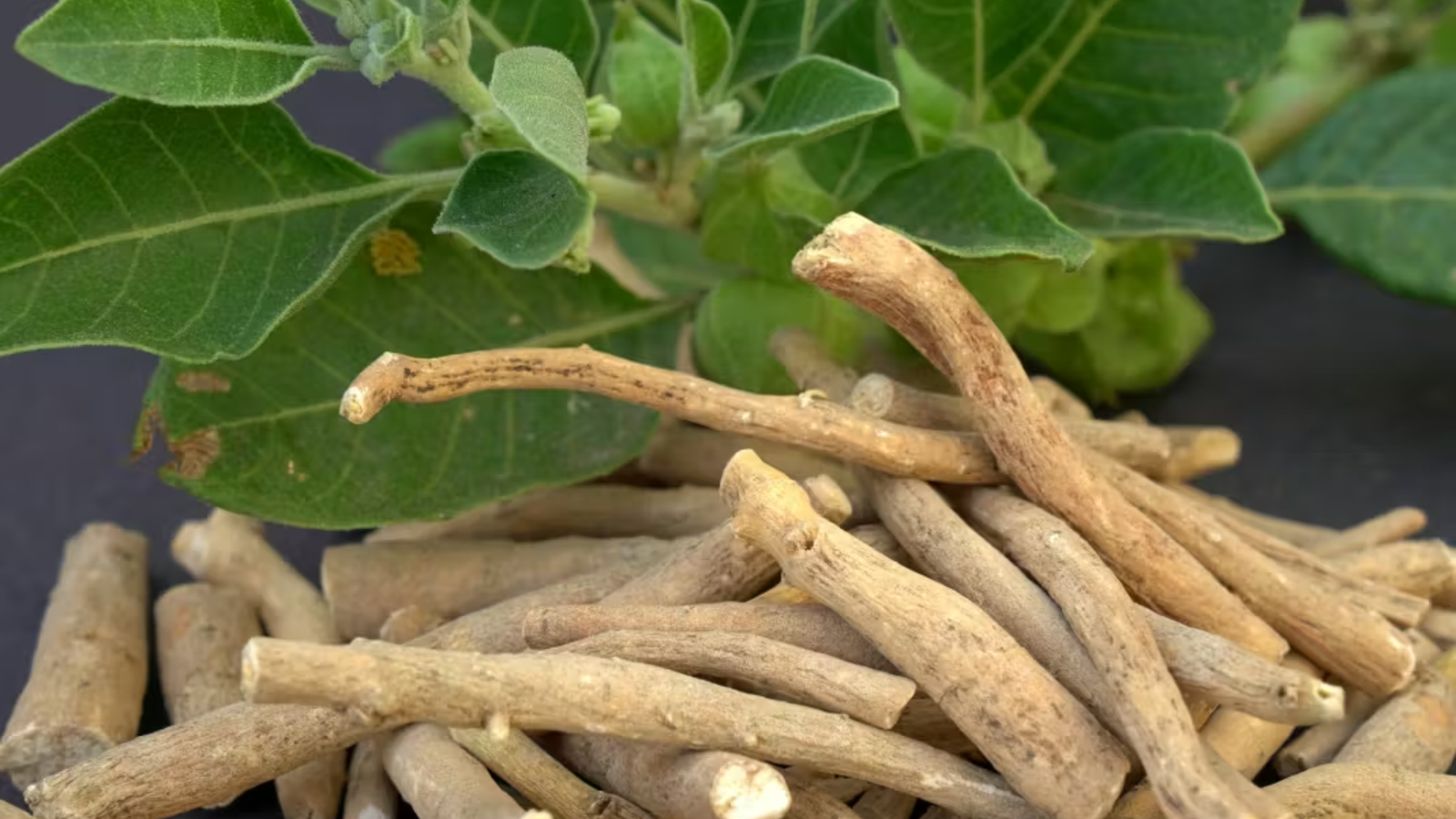
Root only extracts tend to perform more predictably than blends that include leaves. Leaves can increase withanolide content on paper but often bring unwanted compounds along with them.
Question: Ashwagandha key factor
Answer: Withanolide content
Standardization ensures consistent levels of active compounds. Without it, effectiveness varies from batch to batch.
Organic Does Not Always Mean Better
Here is where I push back against what most people believe.
Organic labeling alone does not guarantee a better supplement.
I have seen organic certified products that were poorly processed and non organic products that were handled with far more care and precision. Certification is one piece of the puzzle, not the entire picture.
What matters more is sourcing, extraction method, and testing. If those are weak, the organic label does not save the product.
I genuinely cannot understand why people stop their evaluation at the word organic. It does not tell you enough. It never has.
Question: Organic label meaning
Answer: Partial indicator
Organic certification reflects farming practices, not final product quality. Processing and testing still determine effectiveness.
How to Identify Organic Ayurvedic Supplements That Actually Work
If you want organic ayurvedic supplements that deliver results, you need to look beyond the surface.
First, check for third party testing. That tells you whether the product is free from contaminants and matches its label claims. Second, look at extraction methods. Gentle extraction preserves active compounds better than aggressive processing.
Third, pay attention to sourcing transparency. Brands that disclose origin and processing details tend to have better control over quality.
This is not about being paranoid. It is about being selective.
Question: Key quality check
Answer: Third party testing
Independent testing verifies purity and potency. Without it, there is no reliable way to confirm product quality.
My Biggest Mistake With Shilajit and Ashwagandha
I trusted branding over substance. That was the mistake.
Around 2017, I recommended a well marketed shilajit product to a small group I was working with. It looked premium. Packaging was clean. Claims were bold. I did not verify the source deeply enough.
Results were inconsistent. Some people felt nothing. Others reported mild digestive discomfort.
I dug into it and found the resin was heavily processed and likely mixed with fillers. That hit hard. I had pushed something I had not fully validated.
Fixing it required going back to basics.
First, I sourced raw resin samples and tested them personally. Second, I built relationships with suppliers who could trace origin. Third, I shifted to recommending only verified extracts and resins with documented testing. Finally, I educated clients on what to look for so they could make informed decisions.
That experience changed how I evaluate every product now.
Question: Failure cause
Answer: Brand trust
Relying on branding instead of verification leads to poor product selection. Real quality requires independent validation and scrutiny.
The Opinion That Most People Get Wrong
I do not believe higher withanolide percentage always means better ashwagandha.
You will see products pushing extremely high percentages as a selling point. It sounds impressive. It is not always beneficial.
Higher concentration can increase potency, but it can also amplify side effects and reduce balance. Traditional use focused on whole root extracts for a reason. Balance matters more than extremes.
I have seen better long term results with moderate standardized extracts than with ultra concentrated versions. The body responds better to consistency than to aggressive dosing.
Question: Withanolide strategy
Answer: Moderate levels
Moderate standardization supports consistent effects without overwhelming the system. Excess concentration can lead to imbalance and side effects.
Master Your Knowledge Quiz
- Why do many Ayurvedic supplements fail
A. Low demand issue
B. Adulteration problems
C. High pricing factor
D. Weak packaging design - What is the true form of shilajit
A. Powder blend type
B. Capsule solid form
C. Resin natural form
D. Liquid extract form - What defines a good ashwagandha extract
A. Strong flavor profile
B. Withanolide content level
C. Large capsule size
D. Bright color tone - What does organic labeling indicate
A. Full quality guarantee
B. Partial quality indicator
C. High potency level
D. Strong taste factor - What is the most reliable quality check
A. Brand popularity score
B. Third party testing
C. Packaging design style
D. Price discount rate - What caused the failure in the story
A. Poor timing issue
B. Brand trust mistake
C. Low dosage intake
D. Weak storage method - What is the best withanolide strategy
A. Extremely high levels
B. Moderate balanced levels
C. No standardization use
D. Random percentage choice