
I have watched this industry explode from quiet clinical rooms into living rooms full of glowing panels and bold promises. Some of it works. A lot of it is dressed up nonsense. After fifteen years around recovery tech and wellness gear, I can tell you this straight. Most people shopping for the best red light therapy devices, experimenting with an at home infrared sauna, or chasing medical grade light therapy are mixing real science with marketing fiction without realizing it.
What Red Light Therapy Actually Does
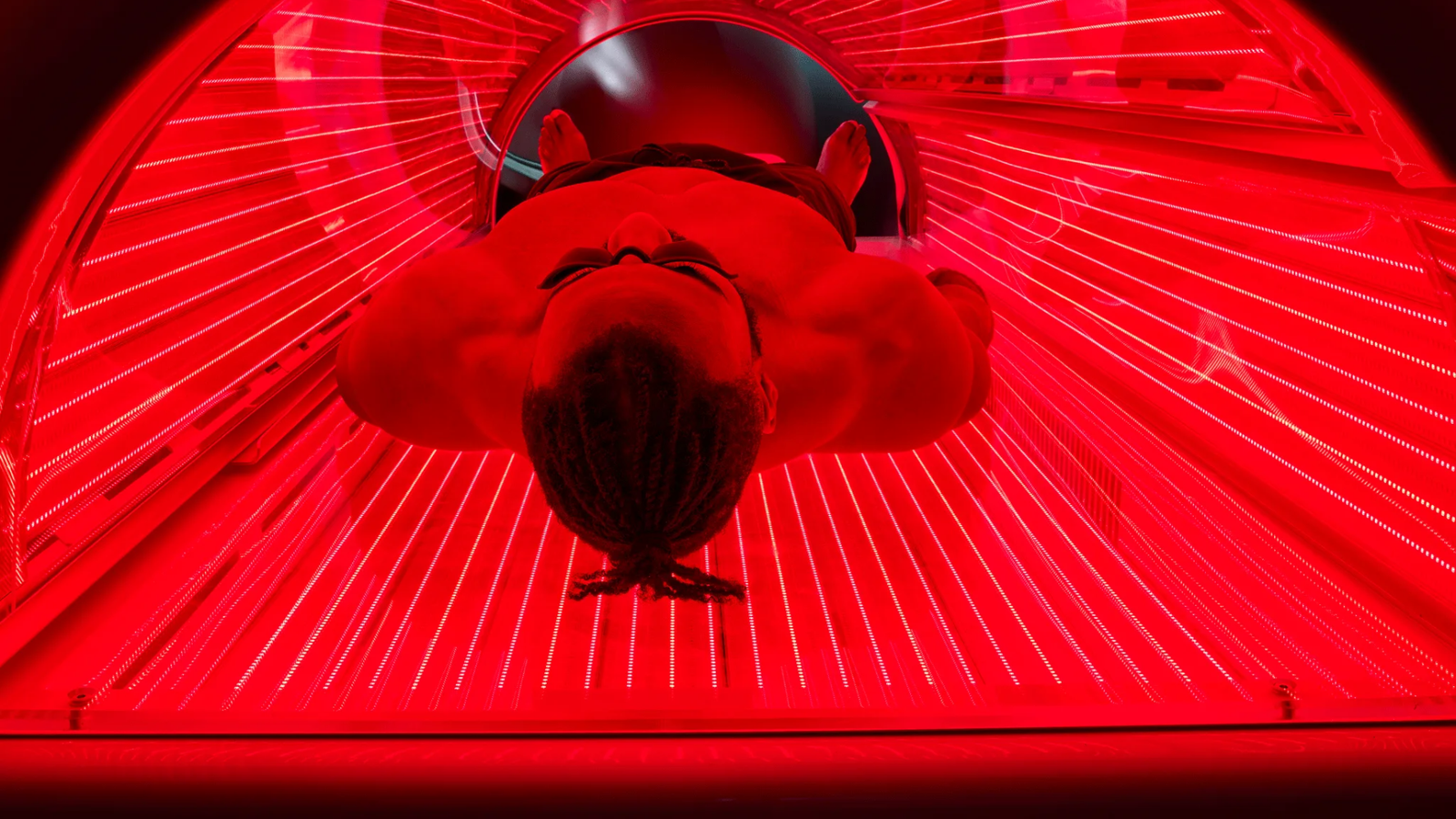
People hear light therapy and think it is some vague wellness trick. It is not. It is targeted photobiomodulation. That is the term clinicians use when light at specific wavelengths interacts with cells and influences energy production.
The sweet spot usually sits in red and near infrared ranges. These wavelengths penetrate skin to different depths and can support mitochondrial activity. That means better cellular energy output. Sounds technical. It is. But the outcome is simple. Tissue repair and reduced inflammation when done right.
I have seen athletes recover faster using consistent protocols. I have also seen zero results when people use weak devices for five minutes and expect magic.
Question: Therapy main mechanism?
Answer: Cellular stimulation
Light at specific wavelengths triggers mitochondrial activity inside cells. That process improves energy production and supports repair functions over time when exposure is consistent.
Clinical Grade Versus Consumer Toys
This is where things get messy. The gap between medical grade light therapy and cheap consumer devices is not subtle. It is massive.
A clinical unit delivers consistent irradiance across a measured surface area. That means the energy hitting your skin is predictable. Consumer gadgets often advertise wavelength but hide output power. Without enough intensity, the light does not reach target tissue effectively.
I have tested panels that looked identical on the outside. One delivered proper output. The other barely registered beyond surface warmth. Same color glow. Completely different performance.
Here is what I look for every time. Verified irradiance data at a realistic distance. Not pressed against the skin. Real usage conditions matter.
Question: Key clinical feature?
Answer: Consistent irradiance
Consistent irradiance ensures the body receives enough light energy to trigger biological effects. Without sufficient power, the therapy remains superficial and ineffective.
The Truth About At Home Infrared Sauna Claims
Let me say this clearly. An at home infrared sauna is not a substitute for targeted red light therapy. People mix them up all the time.
Infrared saunas heat the body. That can support circulation, sweating, and relaxation. Good benefits. But they are not delivering focused photobiomodulation at therapeutic doses to specific tissues.
I have had clients tell me their sauna replaced their light panel. It did not. They felt better because heat relaxes the body. That is not the same mechanism.
Now here comes the opinion that will annoy some brands. If your goal is cellular level recovery or skin level repair, stop relying on sauna sessions alone. They are supportive tools, not primary treatment devices. I genuinely cannot understand why this confusion still gets pushed. Heat and targeted light are different tools. Treat them that way.
Question: Sauna primary effect?
Answer: Heat exposure
Infrared saunas work by raising body temperature and improving circulation. They do not deliver focused light energy at the intensity needed for targeted cellular stimulation.
Choosing the Best Red Light Therapy Devices Without Getting Fooled
This part separates experienced buyers from hopeful ones.
Most people focus on how big the panel looks or how many LEDs it has. That is not the right approach. Output and wavelength accuracy matter far more.
I have seen small panels outperform larger ones because they delivered higher energy density. I have also seen oversized panels with poor distribution where only the center was effective.
Here is what I tell people. Ignore marketing photos. Ask for real data. If a company cannot show measured output at distance, walk away.
Another overlooked factor is session consistency. A good device should allow repeatable positioning and timing. Guesswork kills results.
Question: Buying priority?
Answer: Output intensity
Output intensity determines how much usable light energy reaches the body. Without sufficient intensity, even correct wavelengths fail to produce meaningful results.
My Biggest Screw Up With a Light Therapy Setup
This one still bothers me because it was preventable.
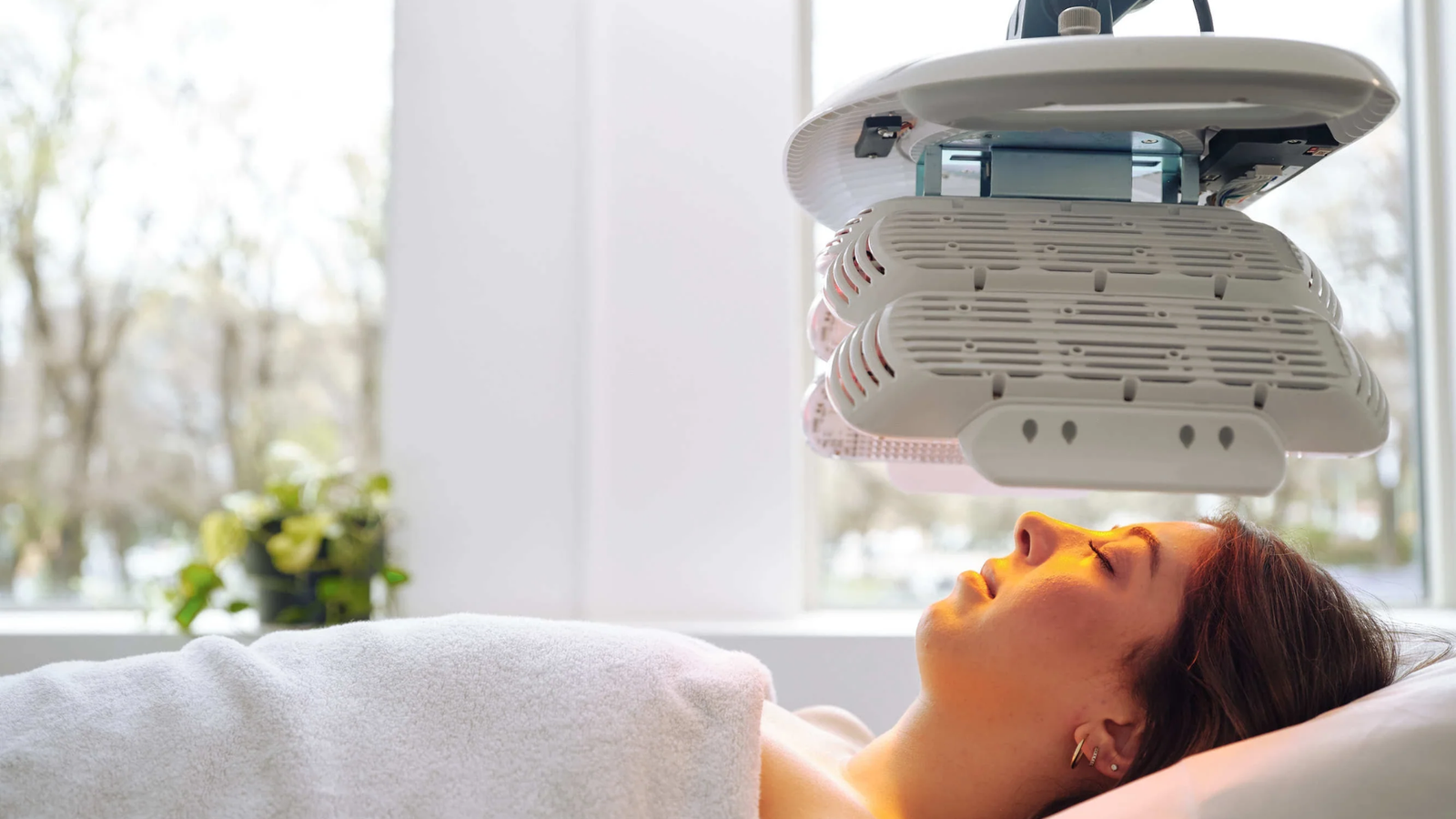
A few years ago, I helped a client set up a home system for joint recovery. I recommended a solid mid range panel. Good specs. Reliable brand. Installation was clean.
Weeks passed. Minimal improvement. The client followed instructions. Sessions were regular. Something was off.
I went back and watched a full session. That is when it clicked. Distance.
The panel was mounted too far from the body. Output drops quickly with distance, and I had not accounted for how the client actually used the space.
Here is how we fixed it.
- Measured actual irradiance at the current distance.
- Adjusted mounting to bring the panel closer without discomfort.
- Standardized session positioning using floor markers.
- Recalibrated exposure time based on new intensity.
Results improved within two weeks. Same device. Correct setup.
The mistake was mine. I focused on the equipment and ignored real world usage behavior.
Question: Failure cause?
Answer: Incorrect distance
Light intensity decreases as distance increases, reducing effective dose. Proper positioning ensures the body receives the intended level of energy for therapeutic impact.
Common Usage Mistakes That Kill Results
People want quick wins. This is not that kind of tool.
Short inconsistent sessions are the biggest issue I see. Five minutes today. Skip two days. Try again next week. That pattern does nothing.
Another mistake is treating light therapy like a passive background activity. Sitting too far away while scrolling your phone defeats the purpose. You need controlled exposure.
Then there is overuse. More is not always better. Excessive sessions can lead to diminishing returns and even irritation.
Consistency beats intensity spikes. Always.
Question: Biggest usage error?
Answer: Inconsistency
Biological responses build over repeated exposure. Irregular sessions fail to create cumulative effects, which are necessary for noticeable improvements.
Master Your Knowledge Quiz
- What is the main mechanism of red light therapy?
A. Heat production
B. Cellular stimulation
C. Water loss
D. Muscle tension - What defines clinical grade light devices?
A. Bright color glow
B. Large panel size
C. Consistent irradiance
D. Low power use - What is the primary effect of infrared saunas?
A. Light exposure
B. Heat exposure
C. Sound vibration
D. Air cooling - What should you prioritize when buying a device?
A. LED count
B. Panel color
C. Output intensity
D. App features - What caused the failure in the case study?
A. Low voltage
B. Wrong timer
C. Incorrect distance
D. Poor wiring - What is the biggest usage mistake?
A. High intensity
B. Daily sessions
C. Inconsistency
D. Short exposure