
I have watched more people waste money on home setups than I care to admit, and it usually starts with chasing the best home pilates reformers without understanding what they are actually buying. Add in premium non slip yoga mats and shiny luxury yoga equipment, and suddenly a spare room turns into an expensive guessing game instead of a smart investment. I have built studios for clients, fixed botched ones, and yes, made my own costly mistakes along the way.
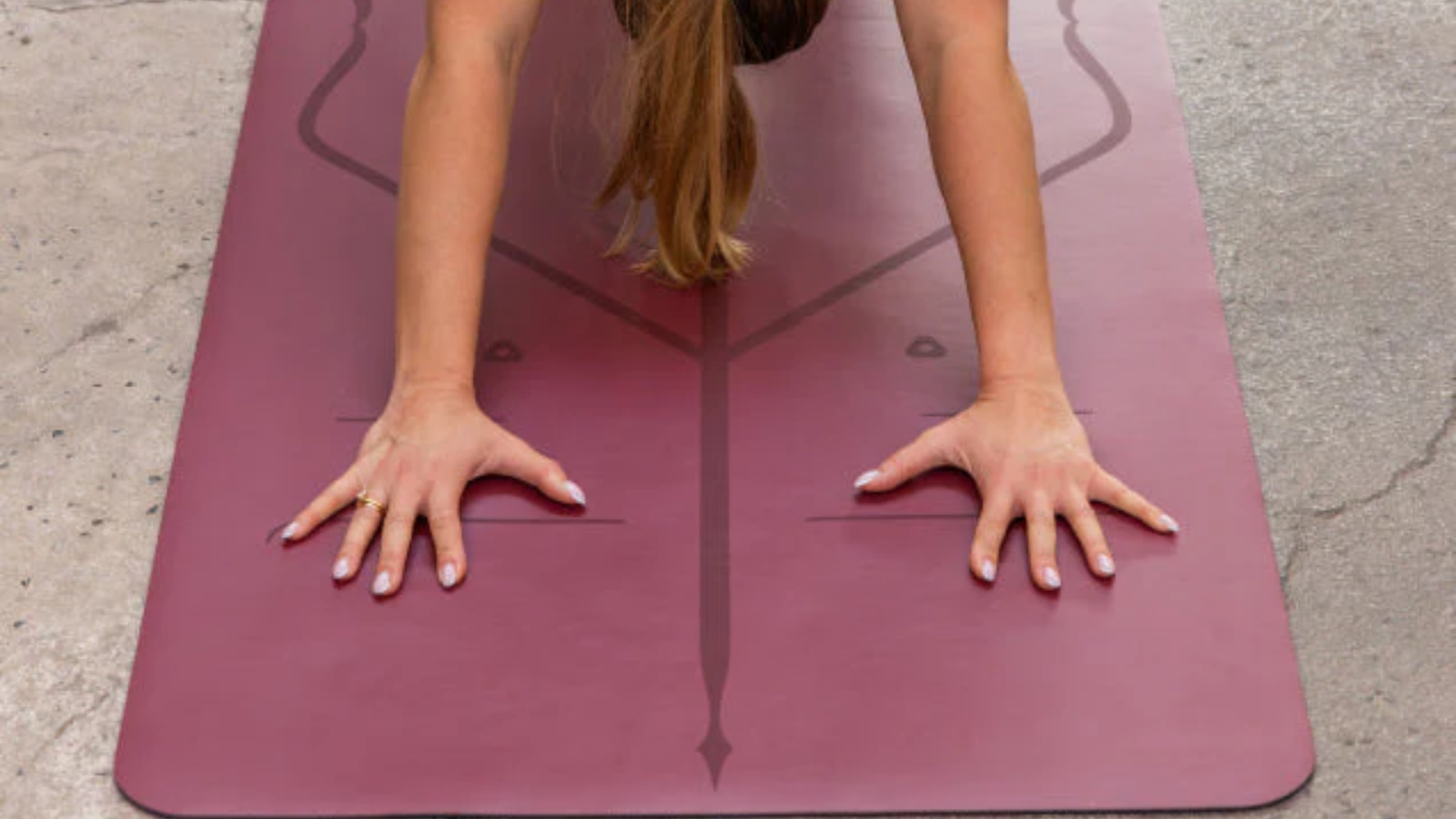
The Real Cost of a Pilates Reformer at Home
Most people fixate on the sticker price. That is mistake number one. The real cost is space, maintenance, and how often you will actually use the thing.
A solid reformer is not a casual purchase. It is a piece of machinery. Springs wear out. Wheels get noisy. Frames shift if the flooring is uneven. I have seen a client drop a serious amount on a high end unit only to park it next to a wardrobe where it barely had clearance to move. It became a very expensive coat rack within six months.
You also need to think about the ecosystem around it. Good flooring. Enough clearance for full extension. Ventilation. And yes, those premium non slip yoga mats matter more than you think. They protect your floors and stabilize your setup during transitions.
Question: What drives cost most
Answer: Space needs
Space dictates everything. A cramped setup reduces movement quality and shortens the lifespan of the machine. When you restrict range, you stress components unevenly, and that is where problems start.
Choosing Between Budget and High End Reformers
Everyone asks me this. Should I start cheap or go all in. The answer is not comfortable.
Budget reformers exist for a reason. They let you test commitment. But I have seen their limitations up close. Less smooth carriage glide. Springs that feel inconsistent. Frames that flex just enough to mess with alignment. If you are serious about your practice, these flaws become frustrating fast.
High end models fix most of that. They feel stable. Predictable. You get a cleaner feedback loop with your body. That matters more than people think. Precision in Pilates is not optional.
Now here is my strong opinion, and I know it will annoy some people. If you are not already consistent with Pilates, do not buy a high end reformer. Rent studio time instead. I have watched beginners burn out within three months and then try to resell machines at a loss. Commitment first. Equipment later. Always.
Question: Start with high end
Answer: Not beginners
Beginners lack movement awareness and routine discipline. Without those, premium gear does not add value. It only amplifies inconsistency.
The Role of Accessories in Your Home Studio
Let me say this clearly. Accessories are not decorative. They are functional tools that determine how often you actually use your setup.
Those premium non slip yoga mats are your foundation layer. A cheap mat shifts under pressure. That tiny movement throws off alignment. Over time, it adds up. I have corrected form issues that were caused entirely by bad mat grip. Not by the reformer itself.
Luxury yoga equipment gets a bad reputation because people think it is all about aesthetics. Some of it is. But not all. Quality blocks, straps, and resistance bands can extend your workouts beyond the reformer. That matters when you want variety without leaving the room.
Still, do not overbuy. I have walked into rooms packed with gear that never gets touched. It looks impressive. It functions poorly.
Question: Do accessories matter
Answer: Yes greatly
Accessories support stability and variation. Without them, your workouts become limited and repetitive, which leads to drop off in usage.
My Biggest Failure Building a Home Studio
I messed this up once. Badly.
A few years back, I helped a client convert a spare bedroom into a full Pilates space. We focused on the reformer. Beautiful machine. Smooth carriage. Looked like something out of a boutique studio. We rushed the rest.
Mistake number one was flooring. We skipped proper base layering and relied on standard tiles. Within weeks, the reformer started shifting slightly during heavier movements. Nothing dramatic. Just enough to create instability.
Mistake number two was layout. We underestimated clearance. The client had to adjust movements to avoid hitting a wall. That compromised form. And once form goes, motivation follows.
Here is how we fixed it. Step by step.
- We removed the reformer completely and reset the floor with a proper grip layer and shock absorption base.
- We repositioned the entire setup to allow full extension in every direction.
- We added high quality mats and minimal accessories that actually got used.
The difference was immediate. Movements felt stable. Confidence came back. Usage doubled within a month.
I was frustrated with myself on that project. We focused on the headline piece and ignored the fundamentals. It happens more often than people admit.
Question: Biggest setup mistake
Answer: Poor flooring
Flooring anchors the entire system. If the base is unstable, every movement above it becomes compromised, no matter how expensive the equipment is.
Space Planning Like a Pro
You do not need a massive room. You need a smart layout.
I have seen great setups in rooms barely larger than a king size bed. The trick is flow. You need space to mount and dismount safely. Enough room for full carriage travel. And a clear perimeter so you are not constantly adjusting your body to avoid obstacles.
Lighting matters too. Dim rooms kill energy. Natural light keeps you engaged. Sounds soft, but it affects consistency more than any spec sheet.
Ventilation is another overlooked factor. Pilates sessions build heat. Without airflow, sessions feel heavier than they should. That subtle discomfort adds friction to your routine.
Question: Is big space needed
Answer: No smart layout
Efficient layouts maximize usable movement area. It is not about size but about removing barriers that interrupt motion.
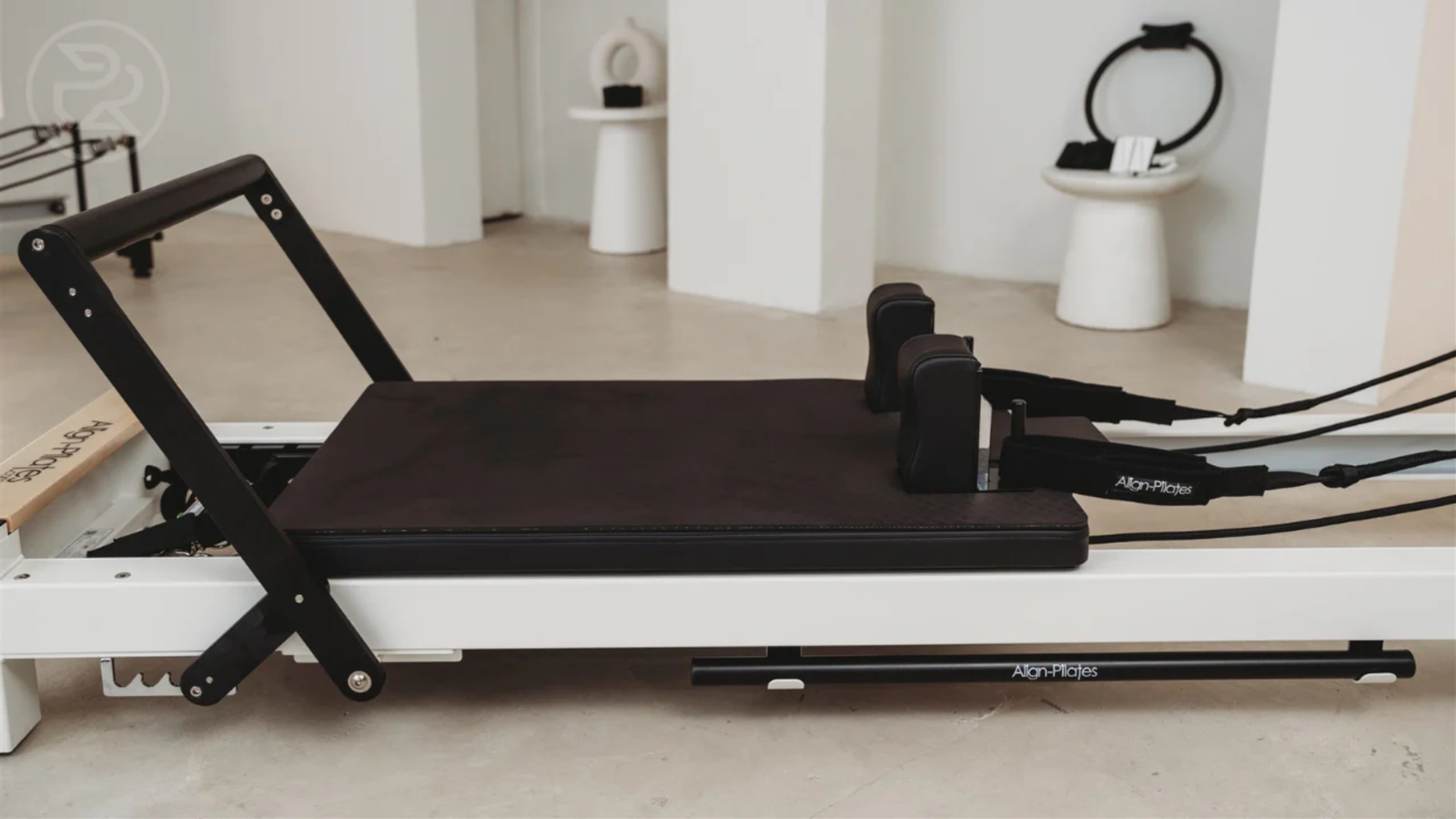
Maintenance Nobody Talks About
Here is the part most buyers ignore until something starts squeaking.
Reformers need maintenance. Not constant, but consistent. Springs wear. Wheels collect dust. Tracks need cleaning. If you skip this, performance drops slowly, then suddenly.
I recommend a simple routine. Quick wipe down after sessions. Weekly check on moving parts. Monthly deeper clean. It takes minutes, not hours.
I genuinely cannot understand why this advice still gets repeated that these machines are low maintenance. They are not. They are mechanical systems. Treat them like one.
Question: Do reformers need upkeep
Answer: Yes regularly
Mechanical components degrade with use. Regular maintenance preserves performance and prevents costly repairs.
Master Your Knowledge Quiz
- What drives cost most
A. Machine price only
B. Space needs
C. Brand value high
D. Color finish choice - Start with high end
A. Always beginners
B. Not beginners
C. Only trainers
D. Only athletes - Do accessories matter
A. No at all
B. Yes greatly
C. Only looks
D. Rarely used - Biggest setup mistake
A. Wrong springs choice
B. Poor flooring
C. Cheap straps used
D. Weak lighting setup - Is big space needed
A. Always large
B. No smart layout
C. Only studios
D. Depends budget - Do reformers need upkeep
A. Never needed
B. Yes regularly
C. Only yearly
D. Only cleaning