
I have spent fifteen years watching people waste money on flashy wearables that count steps and little else, and I am done pretending that is enough. If you are serious about performance, recovery, or even long term health, you need to look beyond the marketing noise and start thinking about the best fitness smartwatches, premium heart rate monitors, and sports GPS watches that actually deliver usable data.
Most people think they need motivation. They do not. They need accurate feedback. There is a difference, and it is where real progress lives.
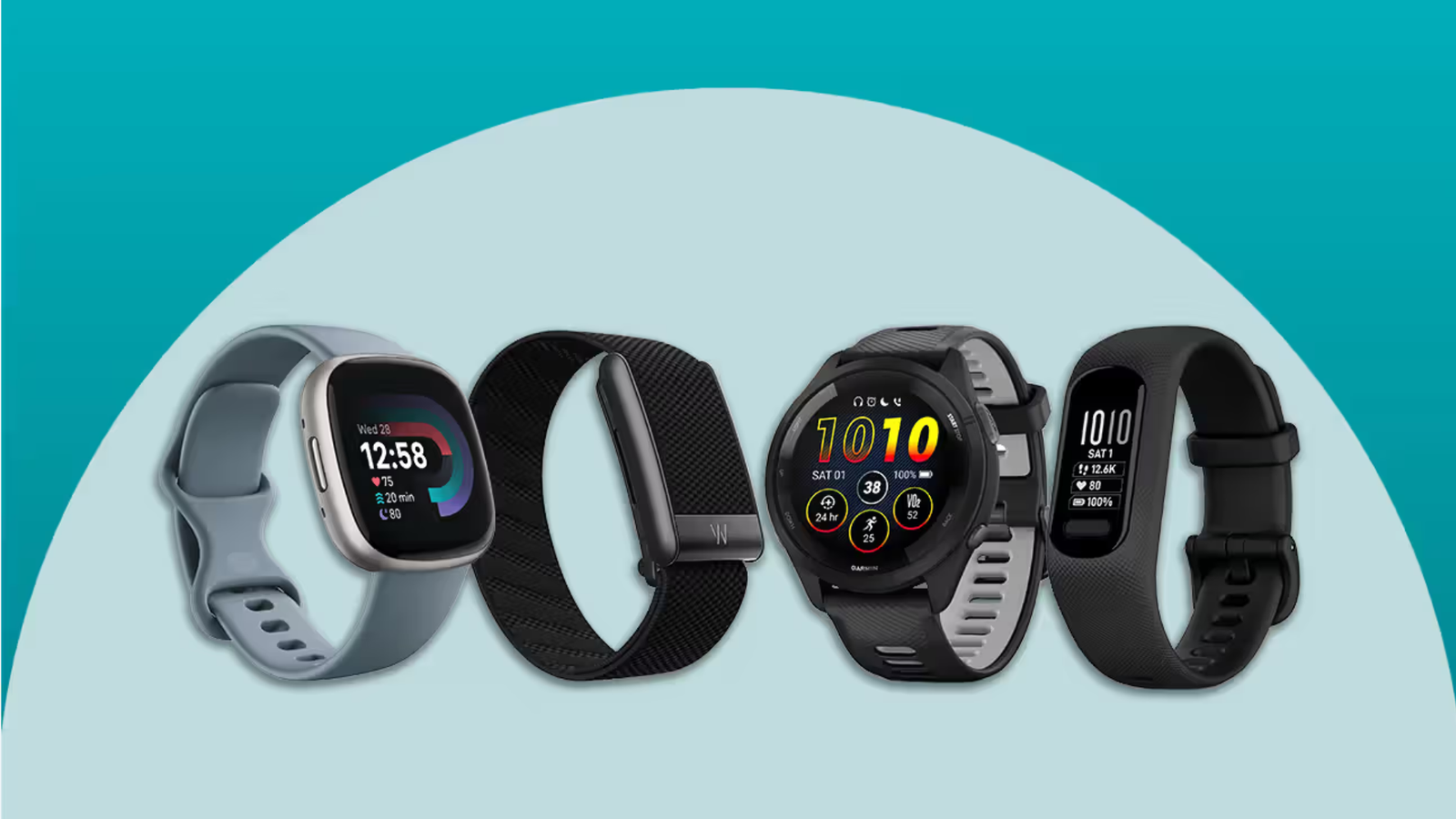
Why Step Counting Is Not Enough Anymore
Step counting is the training wheels of fitness tech. It is simple. It is easy to sell. It is also almost useless once you cross a basic activity threshold. I have seen marathon runners and desk workers both hit ten thousand steps and think they are doing the same thing. They are not even in the same universe.
What matters is intensity, recovery, and load. Your heart rate tells the real story. Your GPS data shows how your body handles terrain and pace. Without those, you are just collecting numbers that look good on a dashboard.
The industry knows this, but cheap devices still dominate because they are easy to understand. I get it. Complexity scares people. But if you are reading this, you are past that point.
Question: What matters more than steps
Answer: Heart rate
Heart rate reflects how hard your body is working under real conditions. Steps only measure movement, not effort. Two people can log identical steps and experience completely different physiological stress.
The Real Value of Premium Heart Rate Monitors
Let me be blunt. Wrist based heart rate sensors are often good enough for casual users. But when you start training with intent, good enough becomes a liability.
I remember working with a triathlete who could not figure out why his intervals felt inconsistent. His watch said he was in zone three. His body screamed zone five. Turns out his optical sensor lagged by nearly ten seconds. That is an eternity during intervals.
Chest strap monitors changed everything. Instant response. Cleaner data. No guessing.
Premium heart rate monitors are not about luxury. They are about accuracy under stress. That means fewer training mistakes and better adaptation over time.
Here is where most people slip. They think accuracy only matters for elite athletes. It does not. It matters more for beginners because they have no internal calibration yet. They rely entirely on external data.
Question: Most accurate HR method
Answer: Chest strap
Chest straps measure electrical signals directly from the heart. Optical sensors rely on blood flow estimation, which introduces lag and noise. Direct measurement wins every time.
GPS Tracking That Actually Tells You Something
A GPS chip is not impressive anymore. Every smartwatch has one. What matters is how that data is used and how accurate it remains when conditions get messy.
Urban environments with tall buildings. Dense tree cover. Trail runs with constant elevation change. Cheap GPS systems fall apart in these scenarios. I have seen route maps that look like a drunk snake.
High end sports GPS watches use multi band systems and better algorithms. The difference is night and day. You get consistent pace data, reliable distance tracking, and elevation metrics you can trust.
But here is the part most people miss. GPS is not just for runners. Cyclists, hikers, even people walking daily benefit from accurate environmental context. Speed, incline, distance consistency. All of it feeds into training load.
Question: Key GPS benefit
Answer: Accurate distance
Distance accuracy feeds every other metric. If your base number is wrong, pace, speed, and training load calculations all become unreliable.
Choosing the Best Fitness Smartwatches Without Getting Played
The market is crowded with devices that promise everything and deliver half. I have tested dozens, and I can tell you this. Most people overpay for features they never use and underinvest in the ones that matter.
Here is my take, and it goes against what most reviewers say.
You do not need the latest flagship model every year. That advice is everywhere and I genuinely cannot understand why it still gets repeated. It does not work. It has never worked.
A two year old high end watch with solid sensors will outperform a brand new mid range device every single time. Hardware quality ages slowly. Marketing cycles move fast.
Focus on three things. Sensor accuracy. Battery reliability. Software stability. Ignore the rest unless you have a specific use case.
I have seen people obsess over screen brightness and music storage while their heart rate data was completely off. That is backward thinking.
Question: Most important feature
Answer: Sensor accuracy
Accurate sensors ensure that every metric you rely on reflects reality. Without that, even the best software cannot compensate for flawed input.
Failure Story The Time I Trusted Bad Data
This one still annoys me.
About six years ago, I was prepping for a half marathon. I decided to test a new smartwatch that had just hit the market. Sleek design. Great reviews. On paper, it looked perfect.
First mistake. I trusted reviews over real world testing.
During training, my pace data seemed slightly off, but not enough to raise alarms. Heart rate looked stable. Everything felt fine until race day.
At kilometer eight, I hit a wall earlier than expected. My watch said I was on target pace. My body said otherwise. By kilometer twelve, I was completely drained.
After the race, I pulled the data and compared it with a known accurate device. The GPS had been underreporting distance by nearly four percent. That meant I was running faster than planned the entire time.
Second mistake. I ignored small inconsistencies.
Here is how I fixed it.
- I went back to a known reliable device and recalibrated my pacing zones.
- I started cross checking data from two devices during key sessions.
- I introduced manual effort tracking using perceived exertion alongside heart rate.
Within three weeks, my training stabilized. The next race went exactly as planned.
It was not a technology failure alone. It was a judgment failure.
Question: Main mistake made
Answer: Trusted bad data
Relying on unverified data creates a cascade of errors. Small inaccuracies compound over time, leading to poor decisions and degraded performance.

Strong Opinion Stop Worshipping Daily Activity Goals
Here it is. Daily activity goals are overrated and often harmful when taken seriously.
I have seen people force themselves to hit arbitrary numbers late at night just to close a ring. That is not discipline. That is obsession driven by gamification.
Your body does not care about your app streak. It cares about recovery, sleep quality, and balanced load over time.
Chasing daily targets without context leads to overtraining in some cases and undertraining in others. A rest day with low steps can be more productive than a forced activity spike.
Focus on weekly trends. Focus on how you feel. Use your smartwatch as a guide, not a boss.
Question: Daily goals reliable
Answer: Not always
Daily goals ignore variability in recovery and workload. Effective training adapts to your body’s condition rather than enforcing rigid targets.
Master Your Knowledge Quiz
- What matters more than steps
A. Step count
B. Heart rate
C. Calorie burn
D. Sleep time - Most accurate HR method
A. Wrist sensor
B. Finger sensor
C. Chest strap
D. Phone app - Key GPS benefit
A. Music storage
B. Accurate distance
C. Screen brightness
D. App variety - Most important feature
A. Watch design
B. Sensor accuracy
C. Brand name
D. Touchscreen size - Main mistake made
A. Skipped training
B. Trusted bad data
C. Wrong shoes
D. Poor diet - Daily goals reliable
A. Always reliable
B. Not always
C. Never useful
D. Only beginners