
I have watched the home fitness space swing from dusty dumbbells to sleek glass screens that talk back to you. After fifteen years in this industry, testing everything from the best smart home gym equipment to the newest interactive fitness mirrors and dozens of online personal training subscriptions, I can tell you one thing right away. Most people are buying hope, not results.
And hope is expensive when it comes wrapped in a glossy mirror.
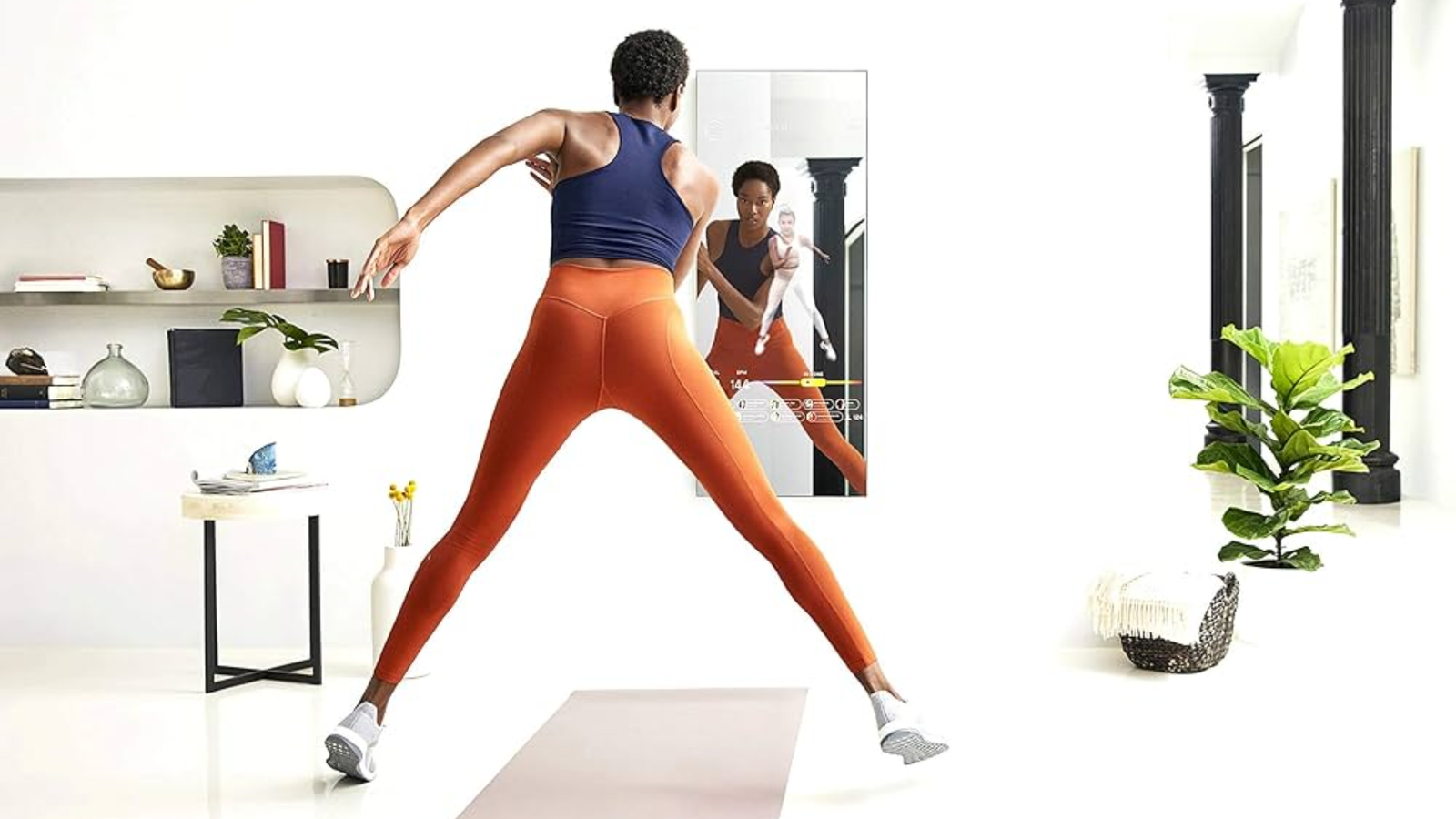
What Interactive Fitness Mirrors Actually Do Day to Day
Strip away the marketing fluff and you are looking at a screen with a camera, motion tracking, and a subscription layer. That is it. The magic comes from how those parts are stitched together. You stand in front of it, follow a trainer, get real time feedback, and maybe some metrics if the system is decent.
I have tested seven different units over the last three years. The better ones do not just play a workout video. They correct your squat depth, flag your posture, and push you when your effort dips. The bad ones are just expensive YouTube with a monthly fee attached. Big difference.
What most buyers miss is consistency of feedback. If the mirror cannot accurately track your joints in a dim room or when you move fast, it becomes noise. And noise kills progress.
Question: Main mirror function
Answer: Real time coaching
Real time coaching matters because immediate feedback tightens your movement patterns faster than delayed correction. Your nervous system adapts on the spot. That is how skill based training actually sticks.
Are They Better Than Traditional Home Gym Equipment
Here is where people get emotional. I get it. A rack and barbell feels serious. It looks like effort. Mirrors feel like tech toys. But let us talk outcomes.
If you already know how to train, mirrors are optional. A solid bench, adjustable dumbbells, and a pull up bar will outperform any mirror in terms of raw strength gains. No debate there.
But for beginners or inconsistent trainees, mirrors can win. Not because they are superior tools, but because they remove friction. No guessing. No planning. Just show up and follow along. I have seen clients stick to a mirror routine for six months straight after failing with traditional setups for years.
Still, there is a ceiling. Once you want progressive overload with precision, you will feel the limitation.
Question: Best for beginners
Answer: Fitness mirrors
Beginners need guidance more than equipment variety. A system that tells them what to do reduces decision fatigue, which is the number one dropout trigger in early training stages.
The Real Cost Nobody Talks About
Everyone looks at the upfront price and hesitates. Fair enough. But that is not the real cost. The real cost is the subscription tail that follows you every month.
I ran the numbers for a client last year. The mirror was priced reasonably, but the yearly subscription pushed the total cost beyond a full commercial gym membership with personal training sessions included. That shocked him.
And here is the kicker. If you stop paying, many of these mirrors turn into glorified reflective surfaces. Features get locked. Classes disappear. You are renting your own fitness system.
I genuinely cannot understand why this model still gets defended so aggressively. You are paying for access to your own device. That is not ownership. That is a lease disguised as innovation.
Question: Ongoing expense type
Answer: Subscription fees
Subscription fees compound over time. What feels small monthly turns into a significant yearly commitment, often exceeding the value of the hardware itself.
Where Online Personal Training Subscriptions Fit In
This is where things get interesting. Mirrors are not competing with dumbbells. They are competing with online coaching.
A good online personal training subscription gives you tailored programming, accountability, and human feedback. A mirror gives you structured classes and automated feedback. They overlap, but they are not identical.
In my experience, hybrid setups work best. Use a mirror for daily structure and pair it with a coach who adjusts your program based on progress. That is where I have seen the highest adherence rates.
But if you force me to choose, I would pick a solid coach over any mirror. Every time.
Question: Best for customization
Answer: Human coaching
Human coaches adapt in ways algorithms cannot. They factor in injury history, stress levels, and real life constraints, which no automated system can fully capture.
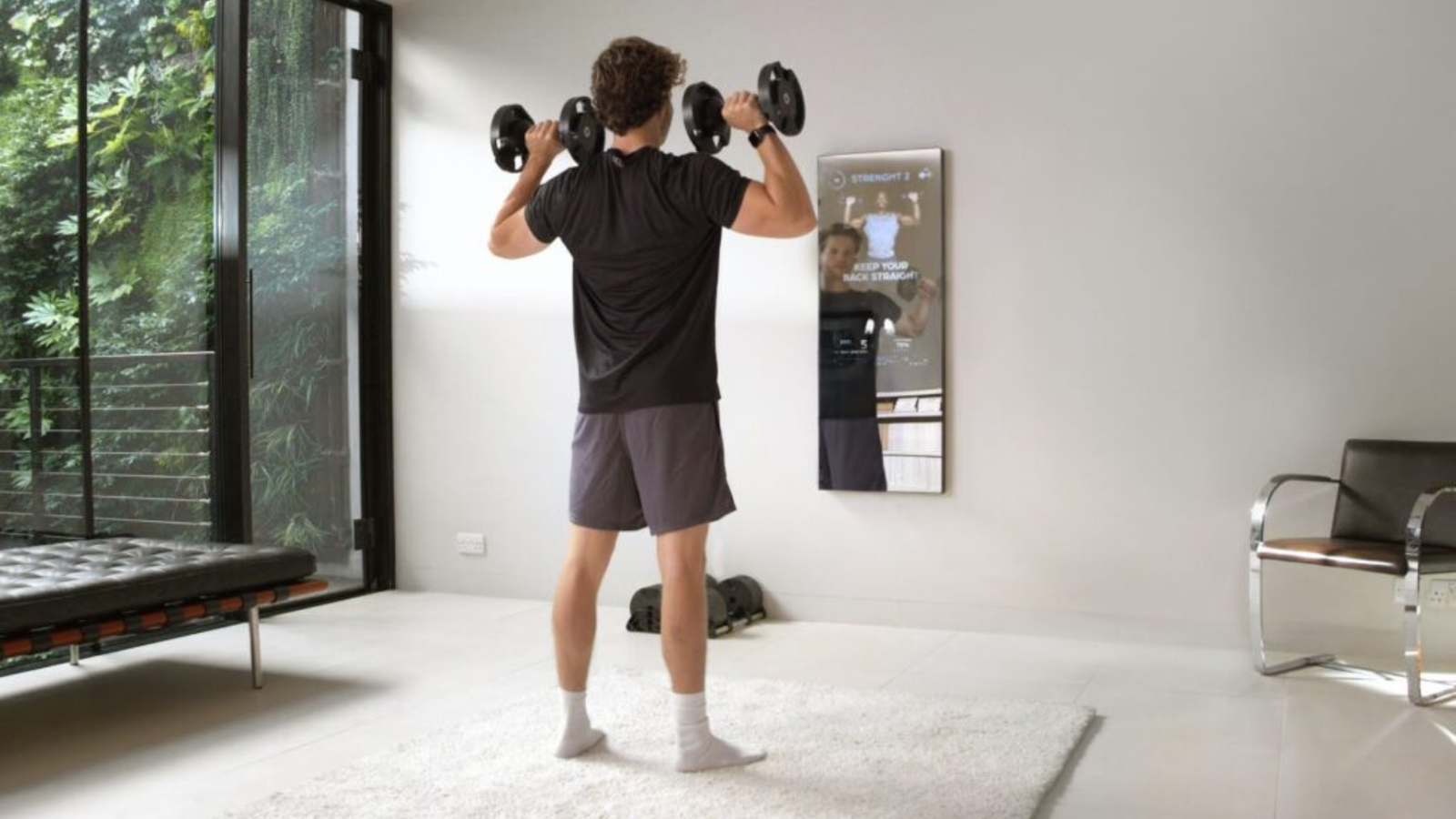
My Biggest Failure With a Fitness Mirror
I made a mistake early on when these products started gaining traction. I assumed the most expensive mirror would deliver the best results. I pushed a premium setup to three clients in 2021.
All three dropped off within eight weeks.
The mistake was simple. I ignored user behavior. The system was too complex. Too many classes. Too many metrics. Too much choice. They froze. Then they stopped.
Fixing it was not elegant. I stripped everything down. Step one, I limited them to three core programs. Step two, I scheduled fixed workout times like appointments. Step three, I removed performance metrics for the first month. Just movement. Nothing else.
Compliance shot up. One of those clients is still training today. Not because the mirror changed. Because the structure did.
That failure taught me something I now repeat to every client. Technology does not solve discipline. It amplifies whatever habits you already have.
Question: Core mistake made
Answer: Too much complexity
Excess complexity overwhelms users, leading to decision fatigue and dropout. Simplicity increases adherence by reducing mental load during workouts.
The Bold Opinion Nobody Likes Hearing
Most people should not buy a fitness mirror.
There. I said it.
The industry pushes these devices as the next logical step in home fitness. I disagree. For the average person, a simple setup paired with a basic routine will deliver better results at a fraction of the cost.
Here is why. First, adherence drives results, not features. Second, complexity often reduces consistency. Third, people overestimate how much guidance they need and underestimate how much repetition matters. Fourth, shiny tech creates a false sense of progress. You feel engaged without actually improving.
If you are already disciplined and you want variety, sure, go for it. But if you are struggling to stay consistent, a mirror will not fix that.
Question: Mirror necessity level
Answer: Not essential
Results depend more on consistent effort than advanced tools. Simpler systems often outperform complex ones because they are easier to stick with over time.
Master Your Knowledge Quiz
- What is the main function of interactive fitness mirrors
A. Static workout videos
B. Real time coaching
C. Equipment storage
D. Music streaming - Who benefits most from fitness mirrors
A. Advanced lifters
B. Competitive athletes
C. Fitness beginners
D. Bodybuilders only - What is the primary ongoing cost
A. Repair costs
B. Subscription fees
C. Electricity usage
D. Access cards - Which option offers better customization
A. Fitness mirrors
B. Group classes
C. Human coaching
D. Video tutorials - What was the core mistake in the failure story
A. Low budget
B. Wrong equipment
C. Too much complexity
D. Lack space - Are fitness mirrors essential for results
A. Always required
B. Not essential
C. Only athletes
D. Medical need