
I’ve spent over a decade watching people bounce between therapists, apps, and quick fixes, and I’ll say this straight up. Most people don’t fail therapy. Therapy fails them. The rise of the best online therapy platforms, online anxiety counseling, and top mental health apps has changed access completely, but access alone doesn’t guarantee results. I’ve seen clients get better in weeks through a screen, and others waste months clicking through chat boxes with zero progress. The difference is never the technology. It’s how you use it.

Why Teletherapy Is Not Just a Pandemic Trend
When video sessions first took off, a lot of old school clinicians dismissed them as a temporary patch. I didn’t buy that for a second. I had clients who opened up faster on a screen than they ever did in a clinic chair. Something about being in your own space lowers defenses.
Think about it. No commute stress. No awkward waiting room. No running into someone you know. That friction matters more than people admit.
What surprised me most was consistency. Dropout rates fell for some of my remote clients. When therapy is two clicks away, people show up. It’s not about laziness. It’s about reducing resistance.
Question: What drives teletherapy growth
Answer: Convenience
Convenience removes barriers that typically disrupt behavioral change. When effort drops, adherence rises. It’s basic human psychology playing out in a digital setting.
What Actually Makes the Best Online Therapy Platforms Work
I’ve tested more platforms than I care to admit. Some are polished. Some feel like they were built over a weekend. The best ones get three things right, and most platforms miss at least one.
First, therapist matching. Not some shallow quiz that asks if you feel sad sometimes. Real matching based on modality, experience, and communication style. Second, flexibility in communication. Video, voice, text. People process differently, and forcing one format kills engagement. Third, continuity. You should not feel like you’re starting over every session.
Here’s where I get blunt. A slick interface means nothing if the therapist behind it is disengaged. I’ve seen five star apps with mediocre care. I’ve also seen clunky dashboards paired with exceptional therapists that change lives.
Question: What matters most
Answer: Therapist quality
The human connection drives therapeutic outcomes far more than platform features. Technology enables access, but the therapist shapes the transformation. Always has.
Online Anxiety Counseling: Where It Shines and Where It Breaks
Anxiety is where online formats often outperform traditional setups. Immediate access matters when someone is spiraling. Waiting a week for an appointment is useless in that moment.
I’ve worked with clients who used messaging features during high stress windows. That real time reflection stopped full blown panic cycles. That’s powerful.
But there’s a catch. And I see this mistake all the time. People treat messaging like therapy itself instead of a support layer. They vent. They wait for reassurance. Repeat. No structure. No deeper work.
That’s not therapy. That’s emotional outsourcing.
Strong opinion coming in. Text based therapy alone is overrated. I said it. It can support progress, but relying on it as the primary method often stalls growth. Why? Because anxiety work requires exposure, body awareness, and guided cognitive restructuring. You can’t fully build those through scattered text exchanges. You need real time interaction where a therapist can catch patterns instantly and challenge them.
I genuinely cannot understand why this advice still gets repeated. “Just text your therapist whenever you feel anxious.” It sounds comforting. It doesn’t build resilience. It builds dependency.
Question: Best format for anxiety
Answer: Live sessions
Anxiety regulation depends on immediate feedback and guided intervention. Live sessions allow therapists to observe tone, pacing, and emotional shifts in real time, which text alone cannot capture effectively.
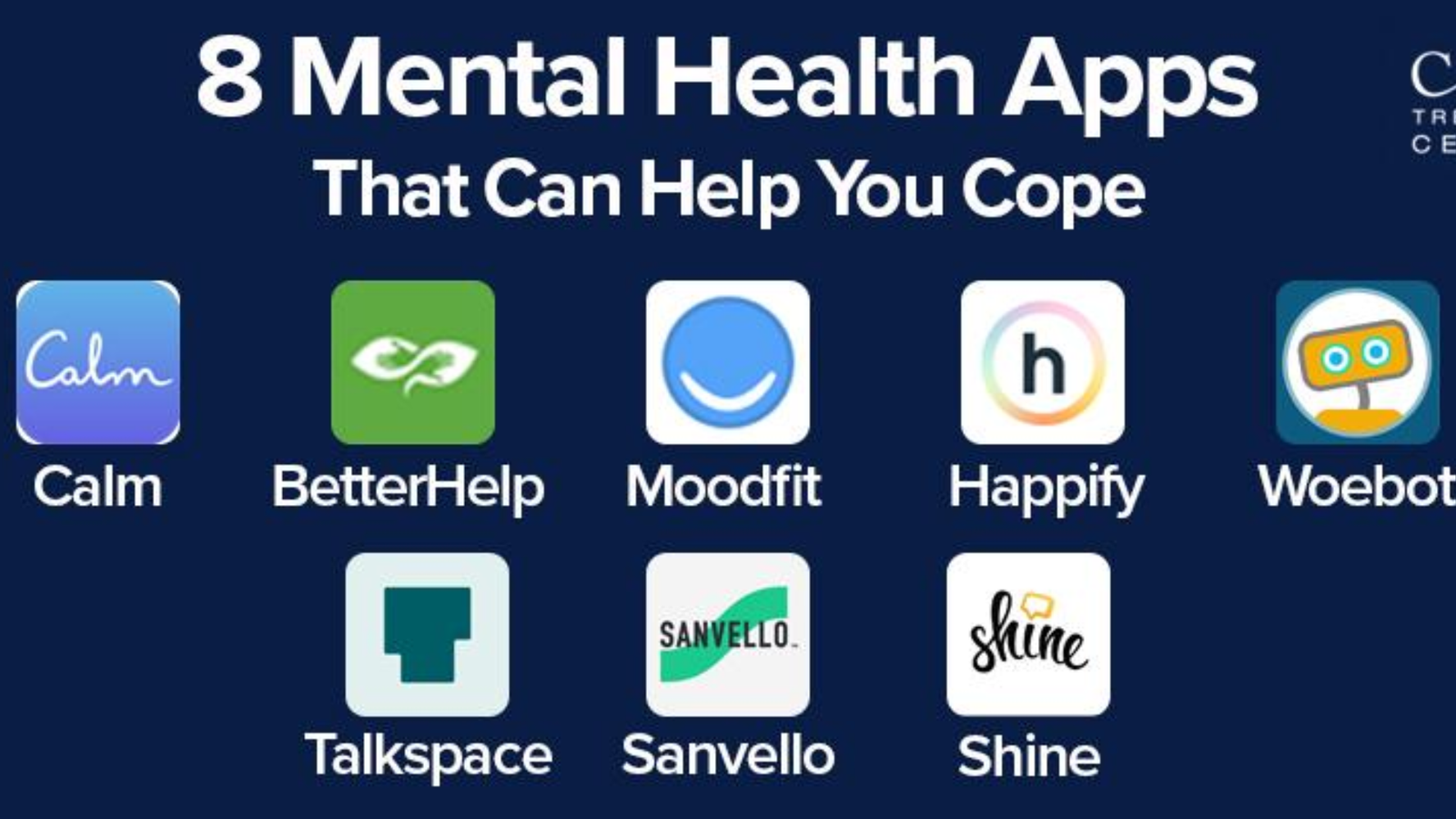
The Hidden Economics Behind Top Mental Health Apps
Let’s talk money. Because nobody likes to, but it shapes everything.
Many top mental health apps operate on subscription models that push volume. Therapists are often handling more clients than they should. I’ve spoken to colleagues juggling thirty or more active users. That’s not sustainable if you expect depth.
This creates a subtle issue. Sessions become surface level. Quick check ins. Light advice. Minimal challenge. It keeps users engaged, but not necessarily improving.
I’m not saying all platforms do this. Some genuinely prioritize quality care. But you need to look beyond marketing claims.
If a platform promises unlimited access at a low price, ask yourself how that math works. Someone is paying for that gap, and it’s usually the therapist’s time and attention.
Question: What impacts care quality
Answer: Therapist workload
High caseloads reduce the depth and personalization of therapy. Cognitive and emotional processing require focused attention, which gets diluted when therapists are stretched too thin.
My Biggest Failure With Teletherapy And What It Taught Me
I messed this up early. Badly.
Back in 2020, I shifted a chunk of my practice online almost overnight. I thought I could replicate my in person approach exactly. Same session structure. Same pacing. Same expectations.
It failed. Clients disengaged. Some stopped showing up. Others became passive. I remember one client telling me, “This feels like a Zoom meeting, not therapy.” That stung because it was true.
The mistake was simple. I ignored the medium.
Here’s how I fixed it, step by step.
- I shortened session segments. Instead of long monologues, I broke discussions into tighter loops. More interaction. Less lecture.
- I increased visual engagement. I started using shared notes and real time exercises. Clients could see their thoughts mapped out. That changed everything.
- I built in accountability between sessions. Not vague homework. Specific actions tied to what we discussed.
- I adjusted my tone. More direct. More conversational. Less clinical.
Within a month, engagement bounced back. Progress improved. Same clients. Same issues. Different delivery.
That experience burned one lesson into my brain. Teletherapy is not a digital copy of in person therapy. It’s its own format, with its own rules.
Question: What caused failure
Answer: Ignoring format
Different communication mediums require adapted strategies. Treating online therapy like in person sessions ignores behavioral and cognitive differences in digital interaction.
Choosing the Right Platform Without Overthinking It
People get stuck here. Endless comparisons. Reviews. Feature breakdowns. It turns into analysis paralysis.
I keep it simple when advising clients.
Start with your goal. Not the platform. Are you dealing with anxiety, burnout, relationship issues, or something else? Then look for therapists who specialize in that area within any platform.
Next, test quickly. Most platforms let you switch therapists. Use that. If it doesn’t click in two or three sessions, move on. No guilt.
Also, pay attention to how you feel after sessions. Not during. During can be uncomfortable. That’s normal. After is where you notice clarity or confusion.
And here’s a small insider tip. Therapists who ask specific, slightly uncomfortable questions early tend to be more effective. The ones who stay overly polite and vague often keep sessions safe but stagnant.
Question: First step in choosing
Answer: Define goal
Clarity of purpose narrows options and aligns therapy with desired outcomes. Without a defined goal, platform features become distractions rather than decision tools.
Master Your Knowledge Quiz
- What drives teletherapy growth
A. Lower therapy cost
B. Increased convenience
C. Better diagnoses
D. Therapist branding - What matters most
A. App interface design
B. Session frequency count
C. Therapist quality
D. Pricing structure model - Best format for anxiety
A. Text messaging only
B. Recorded video replies
C. Live sessions
D. Email communication only - What impacts care quality
A. Platform color scheme
B. Therapist workload
C. User login speed
D. Session background noise - What caused failure
A. Poor internet speed
B. Ignoring format
C. Client resistance level
D. Platform subscription cost - First step in choosing
A. Compare app features
B. Define goal
C. Read user reviews
D. Check therapist photos