
I have watched people burn years chasing quick fixes, and I am telling you straight, most of them fail for the same reason. They trust trends instead of systems. In today’s world of premium weight loss apps, personalized diet coaching online, and the best intermittent fasting apps, the promise sounds smarter, but the results still depend on how you use them.
I have spent over a decade working with clients who tried everything from juice cleanses to extreme calorie cuts. Some dropped weight fast. Almost all gained it back. Then the shift happened. Data driven coaching. AI powered tracking. Behavioral nudges instead of rigid plans. That is where things started to stick.
Why Fad Diets Keep Failing While Smart Apps Stick
Fad diets sell urgency. Apps build consistency. That is the difference most people miss.
When someone jumps into a trendy diet, they are usually reacting. Panic weight gain. A wedding coming up. A doctor warning. The diet becomes a short sprint fueled by emotion, not structure. I have seen clients lose five kilos in three weeks and then rebound harder than before. The body fights back. Always does.
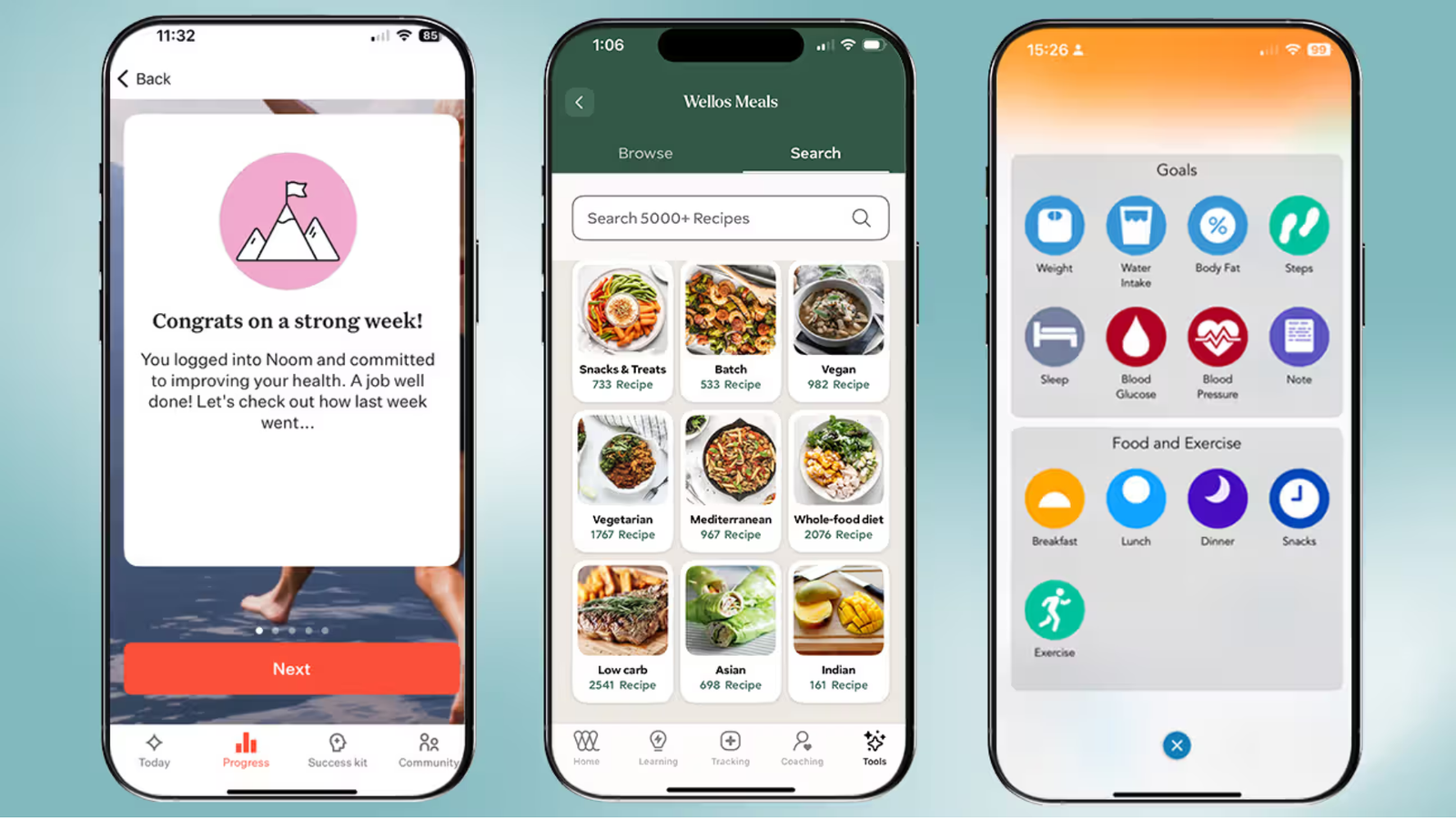
AI driven apps do something quieter. They track patterns. Sleep, steps, glucose swings if you connect the right devices. They adjust your calorie targets without you even noticing. It feels less dramatic. That is exactly why it works.
I remember one client who hated logging food. Swore he would never do it. We shifted him to an app that used photo recognition and passive tracking. No friction. Three months later, he had dropped eight kilos without a single crash phase. He barely noticed the process. That is the point.
Question: What drives fad diets failure
Answer: Emotional decisions
Emotion creates urgency but not sustainability. When choices are driven by panic, consistency collapses the moment motivation dips. Systems built on data remove that volatility and replace it with repeatable behavior.
What Makes Premium Weight Loss Apps Worth Paying For
Let me be blunt. Most free apps are surface level. They count calories. Maybe track steps. That is not enough anymore.
Premium weight loss apps earn their price when they integrate three layers. Data collection. Interpretation. Action. Without all three, you are just logging numbers into a digital notebook.
I have tested dozens of these tools over the years. The ones that work well do not just tell you what you ate. They tell you why you are hungry at 11 pm. They flag patterns like poor sleep leading to higher sugar cravings the next day. That level of insight changes behavior without forcing it.
There is also accountability baked in. Not the annoying kind where you get spam notifications. I mean subtle nudges. A reminder when your eating window drifts. A weekly trend report that makes it hard to lie to yourself. Brutal, but effective.
Here is something most people overlook. The best apps reduce decision fatigue. You stop guessing what to eat. You stop negotiating with yourself every evening. Less mental load means better adherence. That alone is worth paying for.
Question: What defines premium app value
Answer: Actionable insights
Data alone does nothing unless it leads to behavior change. Actionable insights connect patterns to decisions, making it easier to adjust habits without overthinking every choice.
The Real Power Behind Personalized Diet Coaching Online
Generic plans fail because people are not generic. Sounds obvious, yet the industry keeps pushing one size fits all solutions.
Personalized diet coaching online changed that equation. Not perfectly, but enough to matter.
When AI models analyze your habits over time, they start predicting behavior. Not just reacting. If you consistently overeat on weekends, the system adapts your weekday intake slightly. If your workouts spike hunger, it adjusts your macros before you crash. It feels like someone is watching your patterns without judging you.
I worked with a startup team in 2022 that built adaptive meal plans based on stress levels pulled from wearable data. Early version was messy. False signals everywhere. But once tuned, it became eerily accurate. People started eating better without consciously trying. That is when I realized this is not about discipline anymore. It is about design.
Question: Why personalization works better
Answer: Individual differences
Human metabolism, habits, and triggers vary widely. Personalized systems align recommendations with those differences, making adherence easier and outcomes more predictable.
Best Intermittent Fasting Apps and Where They Go Wrong
Intermittent fasting is simple on paper. Eat within a window. Fast the rest. Done. In reality, most people mess it up within the first ten days.
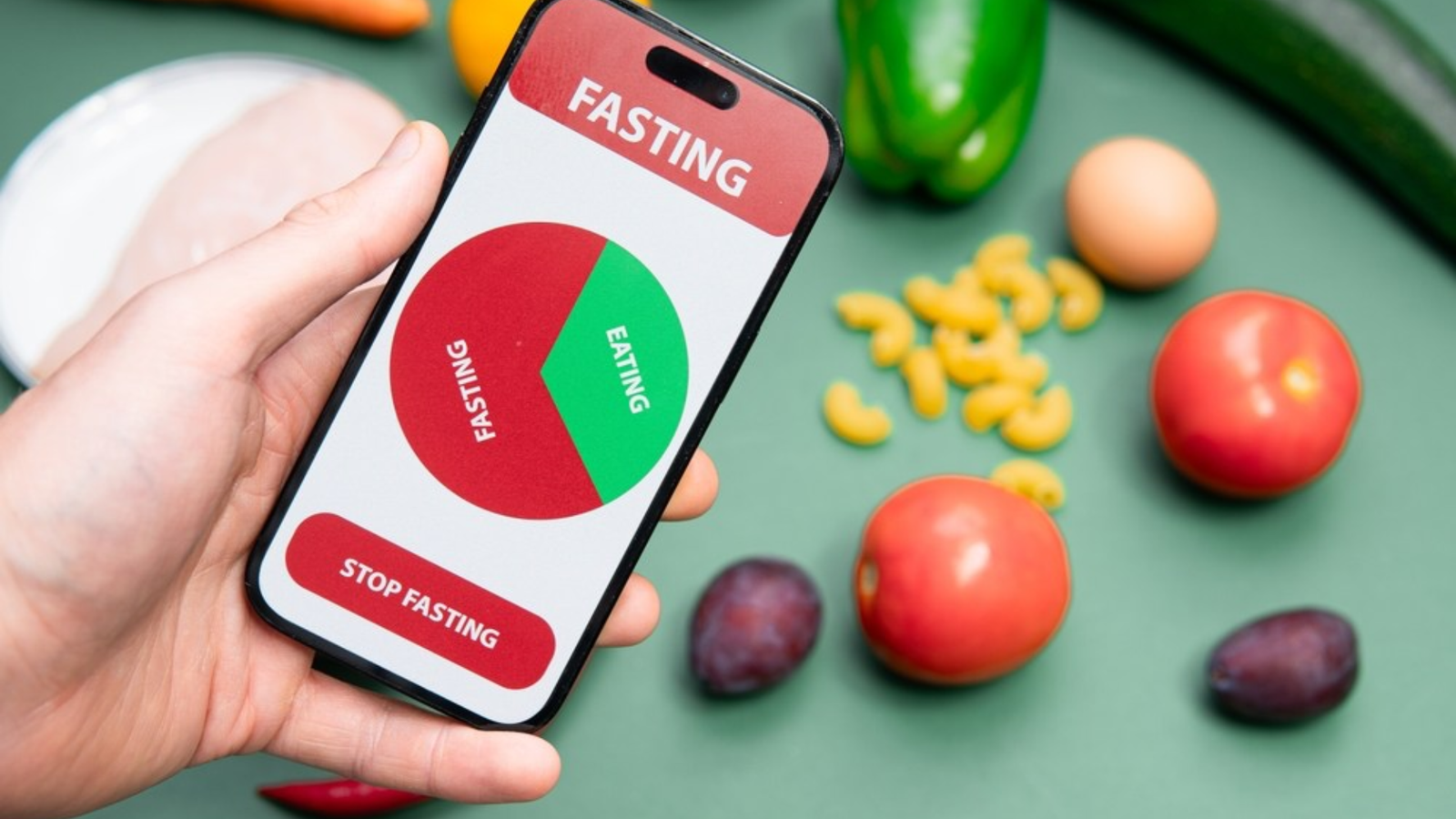
The best intermittent fasting apps try to fix that. They track your fasting window, remind you when to start and stop, and adjust schedules based on your routine. Some even sync with sleep cycles. That is where it gets interesting.
But here is the problem. Many apps treat fasting like a timer. Start. Stop. Repeat. That is lazy design.
Real success with fasting depends on context. What you eat during your window matters. Your stress levels matter. Your sleep matters more than people want to admit. I have seen clients follow a perfect sixteen hour fast and still gain weight because their eating window turned into a calorie binge.
I genuinely cannot understand why this advice still gets repeated. “Just fast longer.” It does not work. It has never worked for the majority. Extending fasting windows without fixing food quality is like pressing harder on a broken brake pedal.
Question: What breaks fasting results
Answer: Poor eating
Fasting controls timing, not quality. If calorie intake and food choices remain unbalanced, the metabolic benefits of fasting get canceled out quickly.
The Failure Story That Changed How I Coach Clients
I made a mistake early in my career. A big one.
I pushed a client into an aggressive fasting protocol combined with a premium app that tracked every metric imaginable. On paper, it looked perfect. Tight eating window. High protein intake. Daily tracking. We expected fast results.
Week one looked great. Weight dropped. Energy seemed stable. By week three, everything collapsed. He started binge eating late at night. Sleep quality tanked. The app kept showing red flags, but I ignored them. I was too focused on the numbers going down.
The mistake was obvious in hindsight. I optimized the system, not the person.
Here is how we fixed it.
- We reduced the fasting window from sixteen hours to twelve.
- We removed strict calorie targets for two weeks.
- We focused only on meal consistency and sleep timing.
- We used the app for awareness, not control.
Within a month, his behavior stabilized. Weight loss resumed, slower but steady. More importantly, it stayed off.
That experience changed how I use these tools. They are guides, not dictators. Push too hard, and people break.
Question: What caused the failure
Answer: Over optimization
Excessive control ignores human variability. When systems become too rigid, they create stress responses that lead to rebound behaviors like binge eating.
My Strong Opinion Most People Will Disagree With
Here it is. Most people do not need stricter diets. They need looser ones.
That sounds backwards, I know. But I stand by it.
When you tighten restrictions, you increase psychological resistance. People start negotiating with themselves. They break rules, feel guilty, then spiral. I have seen this pattern repeat across hundreds of clients.
Looser systems built on consistency outperform strict plans almost every time. You give people room to adjust. They stay engaged longer. They build habits instead of chasing perfection.
The industry loves rigidity because it sells control. But control is fragile. Flexibility lasts.
Question: What improves long term success
Answer: Flexible systems
Flexibility reduces psychological stress and increases adherence. When people feel in control rather than restricted, they are more likely to sustain healthy behaviors over time.
Master Your Knowledge Quiz
- What drives fad diets failure
A. Emotional decisions
B. Low calories
C. Slow metabolism
D. Bad workouts - What defines premium app value
A. Fancy design
B. Actionable insights
C. Low price
D. Step counting - Why personalization works better
A. More data
B. Faster results
C. Individual differences
D. Better branding - What breaks fasting results
A. Long fasting
B. Poor eating
C. Less exercise
D. High protein - What caused the failure
A. Low effort
B. Over optimization
C. Bad app
D. Slow progress - What improves long term success
A. Strict dieting
B. More cardio
C. Flexible systems
D. Daily weighing