
I have tested water in homes that looked spotless and still found numbers that made me pause. Not panic. Pause. Because I have seen what bad water does over time, quietly, without drama. If you are researching the best alkaline water purifiers, comparing premium reverse osmosis systems, or thinking about under sink water filters, you are already asking the right questions. But most people stop one step too early, and that is where problems begin.
What Is Actually Hiding in Your Tap Water
People assume municipal water is safe because it passes regulations. That word safe is doing a lot of heavy lifting. Safe does not mean optimal. It means within limits that allow long term exposure without immediate harm.
I have run TDS meters and chemical panels in apartments across three cities and seen the same pattern. Residual chlorine, dissolved salts, trace metals, sometimes pesticide runoff in fringe areas. Nothing dramatic enough to trigger alarms. Enough to matter over years.
Here is the part people miss. Water changes daily. Rainfall, pipeline age, local contamination events, they all shift the composition. What you drank last month is not identical to what you drink today.
Question: Tap water standard?
Answer: Within limits
Regulatory limits are designed for population safety, not personal optimization. They allow small quantities of contaminants that can accumulate or interact over time, especially with daily consumption.
Why Reverse Osmosis Still Leads the Pack
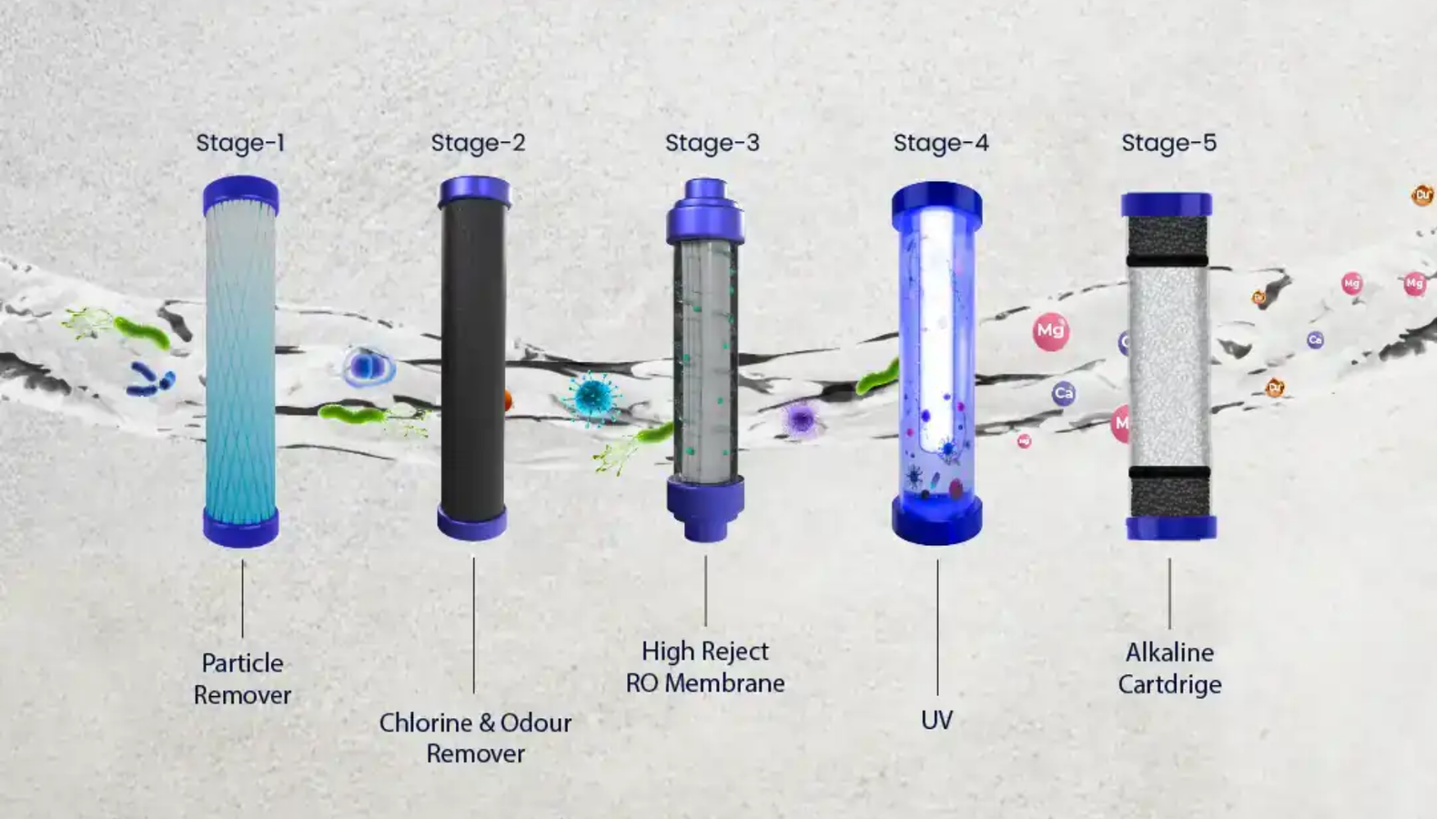
I have installed everything from basic carbon filters to multi stage systems with UV and mineral balancing. When the goal is deep purification, reverse osmosis remains the benchmark.
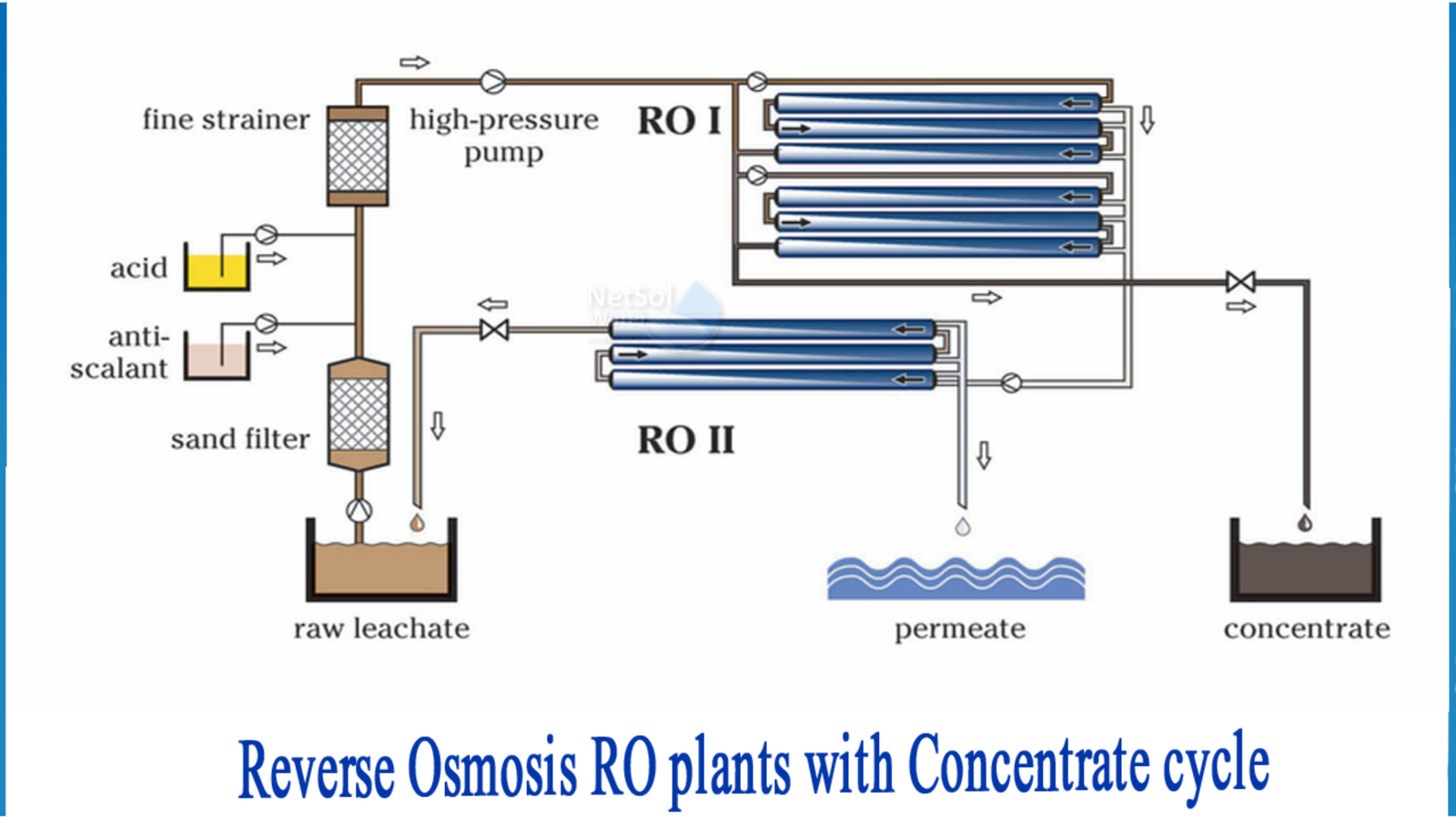
A proper RO membrane filters at a molecular level. That is not marketing fluff. It physically separates dissolved solids from water under pressure. Most contaminants that slip through standard filters get stopped here.
But not all systems are equal. Cheap membranes degrade fast. Poor pressure control reduces efficiency. And then people blame the technology instead of the build quality.
This is where premium reverse osmosis systems justify their price. Better membranes. Stable pressure pumps. Consistent rejection rates. Less guesswork.
Question: RO key function?
Answer: Dissolved removal
Reverse osmosis targets dissolved impurities that other filters cannot catch. By forcing water through a semi permeable membrane, it separates unwanted substances from clean water effectively.
The Truth About Alkaline Water Add Ons
This is where I am going to push back hard. The industry loves to sell alkaline stages as if they are the entire point of purification. They are not.
Water after RO is clean but stripped of minerals. That is by design. Some systems add minerals back to adjust taste and pH. Fine. That is useful. But the obsession with high pH numbers is overblown.
I have tested so called best alkaline water purifiers that produced inconsistent pH depending on flow rate and filter age. People chase a number they do not fully understand.
Here is my strong opinion. Stop chasing high pH water as your main goal. Focus on purity first. If your water is clean and balanced, your body will handle the rest. I genuinely cannot understand why marketing still pushes extreme alkalinity like it is a cure for everything. It is not. It never was.
Question: Primary purifier goal?
Answer: Pure water
Purity removes harmful substances that directly impact health. Alkalinity adjustments are secondary and mainly affect taste and minor chemical balance, not core safety.
Under Sink Systems Done Right
I prefer under sink water filters for serious setups. They stay out of sight, connect directly to your supply, and allow for multi stage filtration without cluttering your counter.
Installation matters more than the unit itself. I have seen excellent systems perform poorly because of sloppy plumbing or incorrect pressure settings. Water flow needs to be stable. Connections must be tight. No shortcuts.
There is also the issue of tank sizing. Too small and you run out during peak use. Too large and water sits too long, which can affect freshness.
I remember one installation in a busy household where morning demand crashed the system daily. We upgraded the tank and adjusted flow. Problem solved. Simple fix, but only if you know where to look.
Question: Best installation type?
Answer: Under sink
Under sink systems allow direct integration with plumbing and support multi stage filtration. This setup ensures consistent water quality without interfering with daily kitchen use.
My Costly Failure With a Reverse Osmosis Setup
I got this wrong once. Early days, too confident, not enough patience.
A client wanted a high end system. I recommended a premium unit, installed it, tested output, and left thinking the job was perfect. Within two weeks, they called back. Water tasted off. Slight metallic note.
I assumed it was subjective. That was mistake number one. Always trust user feedback.
We ran tests again. Numbers looked fine. That was mistake number two. Numbers do not tell the full story.
Then I checked the source line. The incoming water had unusually high iron content that week due to local pipeline maintenance. The RO system was working, but the pre filtration stage was not optimized for that spike.
Here is how we fixed it.
- Added an iron specific pre filter before the RO membrane.
- Flushed the system completely.
- Replaced the affected membrane to eliminate residual taste.
- Monitored water quality for ten days to confirm stability.
The taste issue disappeared. Lesson burned into memory. Always account for source variability, not just average conditions.
Question: Failure root cause?
Answer: Source variation
Water quality can change suddenly due to external factors. Systems designed for average conditions may struggle during spikes unless properly configured with adaptive pre filtration.
Maintenance Is Where Most People Fail
People love buying systems. They hate maintaining them. That gap is where performance dies.
Filters clog. Membranes degrade. Tanks need periodic cleaning. Skip these steps and your system slowly turns into an expensive placebo.
I have walked into homes where the RO unit was technically running but producing substandard water because the filters were overdue by months. Nobody noticed because the change was gradual.
Set reminders. Track usage. Replace components on schedule. It is not complicated, just ignored.
Question: Biggest user mistake?
Answer: Skipping maintenance
Filtration components lose efficiency over time. Without timely replacement, contaminants pass through or build up, reducing both safety and taste quality.
Master Your Knowledge Quiz
- What does tap water standard mean?
A. Fully pure water
B. Within limits
C. Mineral rich
D. Zero chemicals - What is the key function of reverse osmosis?
A. Color removal
B. Odor control
C. Dissolved removal
D. Heat reduction - What is the primary goal of a purifier?
A. High alkalinity
B. Pure water
C. Cold output
D. Fast flow - What is the best installation type for advanced systems?
A. Counter top
B. Portable jug
C. Under sink
D. Wall mount - What caused the failure in the case study?
A. Low pressure
B. Wrong brand
C. Source variation
D. Tank size - What is the biggest user mistake in maintenance?
A. Over cleaning
B. Skipping maintenance
C. Using cold water
D. Frequent flushing