
I have spent over a decade watching people throw money at sleep problems while ignoring the data right in front of them. Most of it comes down to misuse of advanced sleep tracking rings, blind trust in the best smart mattresses, and a total misunderstanding of what premium sleep technology actually does for your body. I have tested these tools on athletes, burned out founders, and my own wrecked circadian rhythm. Some worked. Some failed hard. The difference always came down to how they were used.
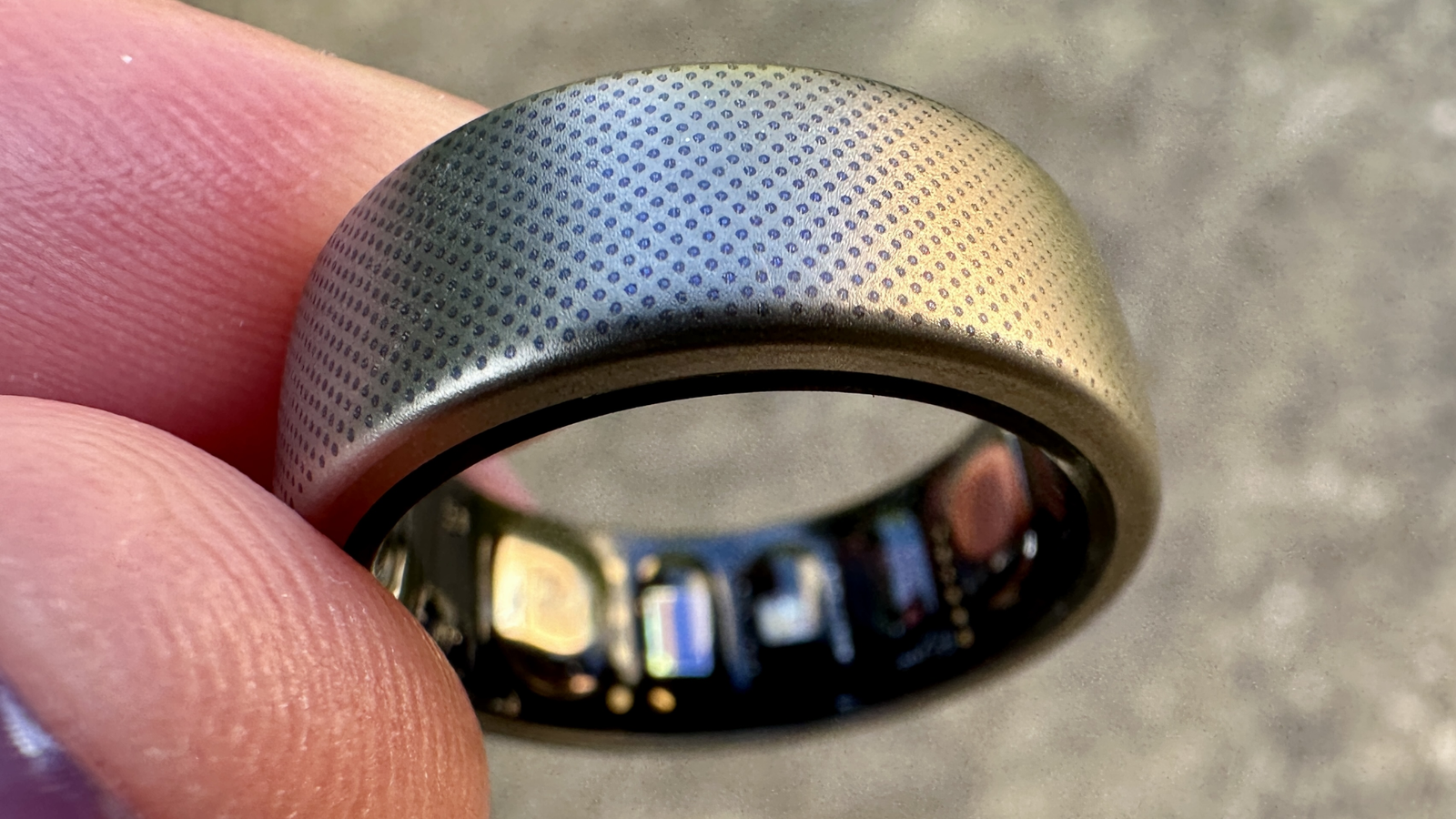
What Advanced Sleep Tracking Rings Actually Measure
People love to say their ring tracks sleep. That is lazy thinking. These devices measure signals. Heart rate variability, skin temperature trends, movement, and blood oxygen patterns. Sleep is inferred. Not observed.
I remember a founder I worked with in 2022 who obsessed over his sleep score. Every morning he would check it like stock prices. His performance still tanked. Why? Because he chased the number, not the signals behind it.
Good rings give you patterns over time. Not instant truth. If your resting heart rate climbs for three nights, something is off. Could be stress. Could be alcohol. Could be late meals. The ring does not diagnose. It points.
Here is where most people mess up. They expect precision. What they need is consistency. If the device is wrong by a bit but wrong the same way every night, you can still learn from it. That is how I use it.
Question: What do rings measure
Answer: Physiological signals
Those signals correlate with sleep stages through algorithms trained on large datasets. They are not direct measurements of brain waves. That is why trends matter more than single night readings.
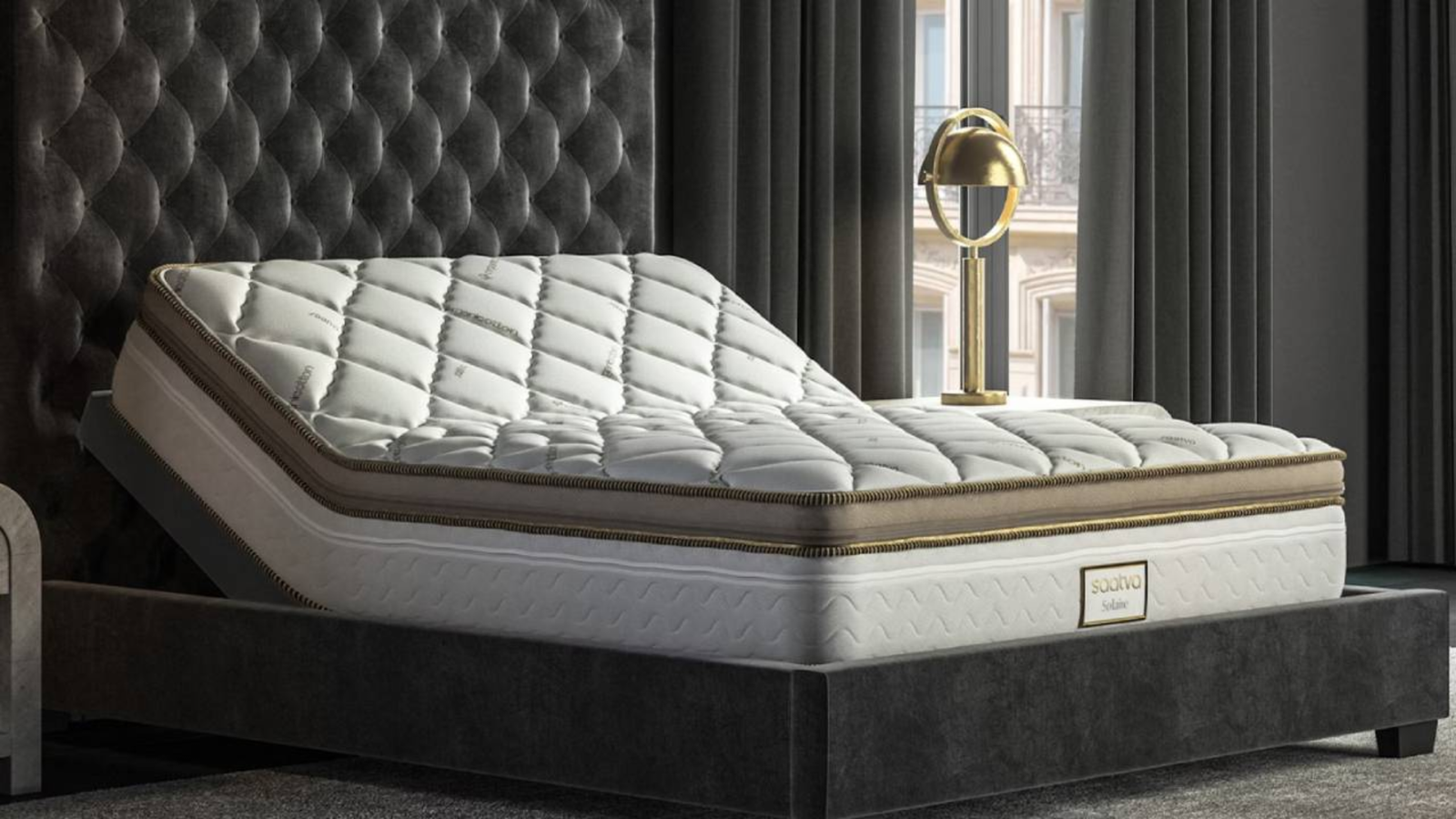
Choosing the Best Smart Mattresses Without Getting Scammed
I have laid on more smart mattresses than I care to admit. Heated zones, cooling grids, automatic firmness adjustment. Sounds impressive. Most of it is marketing fluff layered on basic comfort tech.
What matters is thermal control and pressure distribution. That is it. If your body temperature stays stable and your spine stays aligned, you will sleep better. Everything else is secondary.
There was a project where we tested three high end beds across a group of ten users. Only one had consistent results. Not because it had more features. Because its temperature regulation actually worked through the night, not just during the first hour.
Here is my blunt take. If a mattress app looks like a spaceship dashboard, walk away. You are not piloting a rocket. You are trying to sleep.
Question: Key mattress factor
Answer: Temperature control
Your core body temperature needs to drop for sleep onset and stay low for deep sleep. Smart mattresses that maintain this drop outperform those packed with extra sensors that do not influence physiology.
Premium Sleep Technology Is Not a Shortcut
I see this mistake constantly. People buy premium sleep technology expecting it to fix bad habits. It will not.
You cannot out gadget late night screen time. You cannot offset irregular sleep schedules with a cooling bed. You cannot drink every night and expect your wearable to magically correct your recovery.
I worked with three executives in one year who spent absurd amounts on sleep tech. All three had the same issue. Inconsistent sleep timing. Once we fixed that, their scores improved without changing a single device.
Here is the uncomfortable truth. Technology amplifies behavior. Good habits get better. Bad habits get exposed.
Question: Tech replaces habits
Answer: No
Sleep is governed by circadian biology and homeostatic pressure. Devices can guide adjustments but cannot override these systems. You still have to do the work.
The Failure That Cost Me Months of Progress
I messed this up myself. Badly.
I relied too heavily on my ring data and started adjusting my sleep schedule based on nightly scores. One bad reading and I would go to bed earlier. Two good readings and I would push bedtime later. It became reactive chaos.
The mistake was obvious in hindsight. I treated short term fluctuations as meaningful signals. They were noise.
Here is how I fixed it.
- I stopped checking daily scores for two weeks.
- I exported raw trend data instead.
- I focused only on weekly averages of heart rate variability and resting heart rate.
- I locked my sleep window to the same time every night. No exceptions.
Within a month, my metrics stabilized. More importantly, I felt better. That part matters more than any dashboard.
The frustration still sticks with me. I genuinely cannot understand why daily sleep scores are pushed so aggressively. They create anxiety. They distort behavior. They do not help long term adaptation.
Question: Biggest mistake made
Answer: Overreacting data
Biological systems fluctuate daily due to countless variables. Reacting to each fluctuation disrupts stability. Long term trends provide meaningful insight, not isolated readings.
My Unpopular Opinion About Sleep Tech
Here it is. Most people should ignore at least half the data their devices provide.
Yes, I said it. And I stand by it.
The industry pushes more metrics because more data feels valuable. It is not. Too many inputs lead to analysis paralysis. I have seen clients freeze because they did not know which number to trust.
Focus on three things. Sleep consistency, resting heart rate trend, and subjective energy levels. That combination beats ten different metrics interpreted poorly.
I once stripped a client down to just those three markers. His sleep improved in three weeks after months of stagnation. Simplicity worked where complexity failed.
Question: Too much data
Answer: Hurts decisions
The brain handles limited variables effectively. When overloaded, it defaults to confusion or inaction. Narrowing focus improves decision quality and consistency.
How I Actually Use These Tools Today
My setup is simple now. A ring for trend tracking. A mattress that controls temperature well. No obsession with apps.
I check my data twice a week. That is it. Enough to catch patterns, not enough to obsess.
If my heart rate variability drops for several days, I adjust training or stress load. If my sleep timing slips, I correct it immediately. No drama. No overthinking.
There is a calm that comes with this approach. You stop chasing perfection and start building consistency. That shift changes everything.
Question: Data check frequency
Answer: Twice weekly
Frequent checking increases emotional response to minor fluctuations. Spacing reviews allows patterns to emerge and reduces reactive decision making.
Master Your Knowledge Quiz
- What do rings measure
A. Brain wave data
B. Physiological signals
C. Muscle activity
D. Sleep stages - Key mattress factor
A. App features
B. Firmness range
C. Temperature control
D. Brand reputation - Tech replaces habits
A. Always does
B. Sometimes works
C. No
D. Depends user - Biggest mistake made
A. Ignoring device
B. Overreacting data
C. Sleeping less
D. Changing mattress - Too much data
A. Improves insight
B. Hurts decisions
C. Has no effect
D. Builds accuracy - Data check frequency
A. Every hour
B. Daily twice
C. Twice weekly
D. Monthly once